
Food Sovereignty

The Challenge of Food Dependency
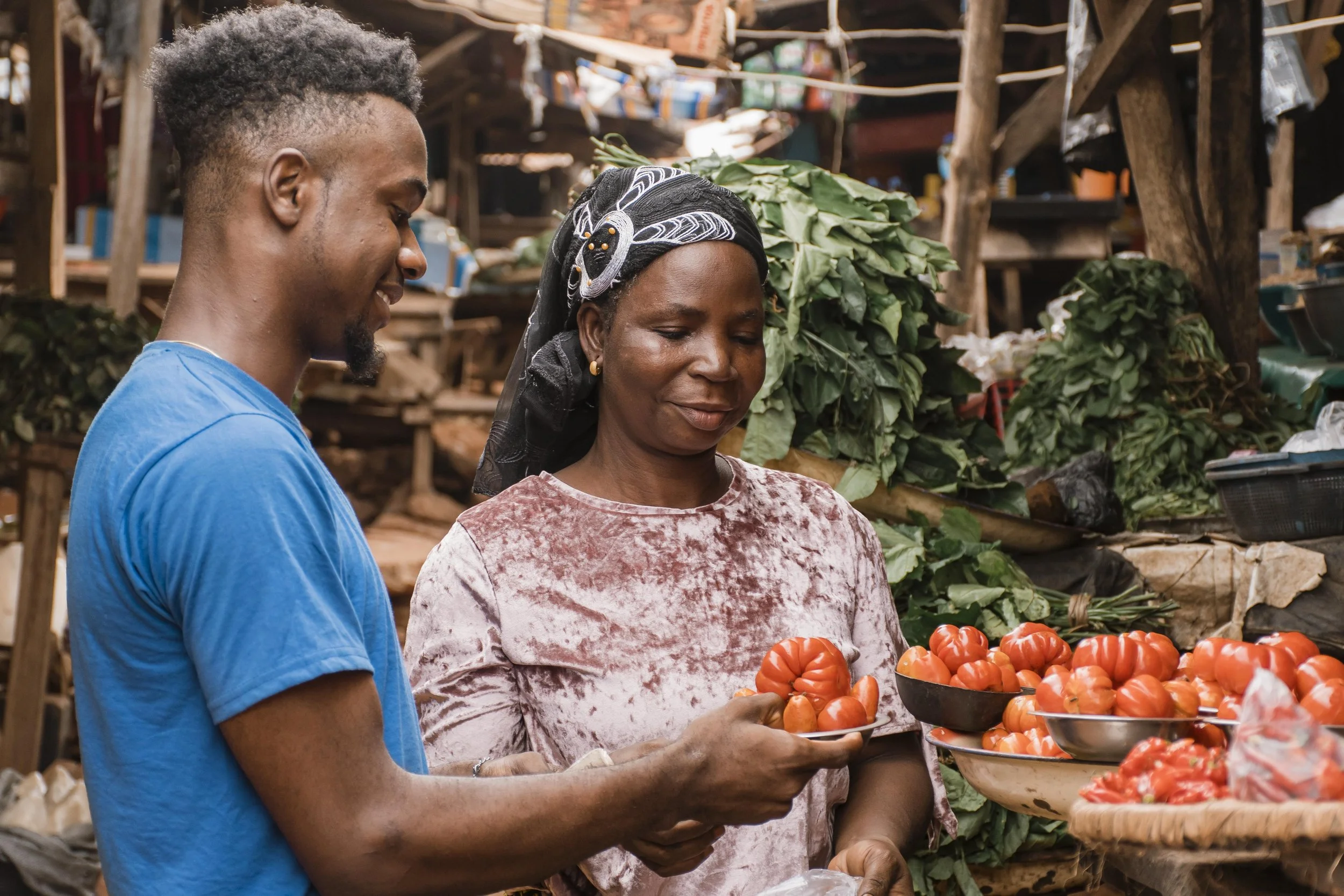
For too long, West African countries have faced challenges that hinder their ability to fully govern their own food systems. Dependence on costly imports and external factors like climate change, market fluctuations, and global crises threaten local economies and food security. Issues of malnutrition, stunting, and diet-related diseases are prevalent in the region, which is often tied to a lack of access to fresh, locally grown, and nutritious foods.
This situation calls for a shift toward self-reliance and resilience. Our Solution:
Asset-Based Community Development (ABCD) Askiya believes the most effective and lasting solutions come from within the community itself. That's why we apply asset-based community development (ABCD) principles to promote food sovereignty.
Rather than solely relying on external resources, our approach focuses on recognizing and leveraging the existing strengths and assets—the local resources, skills, and knowledge—within communities to promote sustainable development. In the context of food sovereignty, Askiya identifies these assets and builds upon them to promote self-sufficiency and the right for communities to define their own food and agricultural systems.
This comprehensive approach strengthens food sovereignty by increasing farmers' control over their own food systems, which is essential for ensuring food security and maintaining the region's agricultural autonomy and cultural heritage.
Our Key Strategies for Autonomy
Askiya implements various programs in West Africa and Rhode Island, including Community-Supported Agriculture (CSA), Makervillages, and seed banks and exchanges. These strategies are designed to strengthen the entire food system:
Economic Empowerment: Achieving food sovereignty allows West African countries to take control of their own food production, which reduces dependence on costly imports and promotes local economic growth. We support small-scale farmers and agricultural entrepreneurship to boost economies and create employment.
Makervillages: Our Makervillage initiatives allow communities to produce their own farming tools, equipment, and value-added products. This reduces dependence on imported goods, promotes self-sufficiency, and enhances the economic empowerment of farmers.
Cultural & Health Preservation: The promotion of food sovereignty is tied to preserving the traditional knowledge, practices, and diversity of West African food systems. By prioritizing diverse and balanced diets of fresh, locally gro
We can only achieve a robust food sovereignty framework by working together.
Join Askiya in our commitment to empowering communities to govern their own food systems, strengthening their economies, ensuring food security, and improving the health and well-being of their people. Donate today to support our Makervillage and Food Sovereignty programs.
Multiply your impact
Our work is made possible by generous contributions—big and small—from people like you. Give today to help your neighbors care for their loved ones, go to a high-quality school, and pursue their dreams.