7,000 people. A dollar a day. One village we own.
My Own Home
From fearing I’d be the girl in the commercial, to building my own home.
Each person counts once, when their gifts reach $365, a year of a dollar a day. Goal: 7,000 people.
The photograph.
The camp, the camera, and the picture it never showed.
Open each part with the numbers.
Picture this.
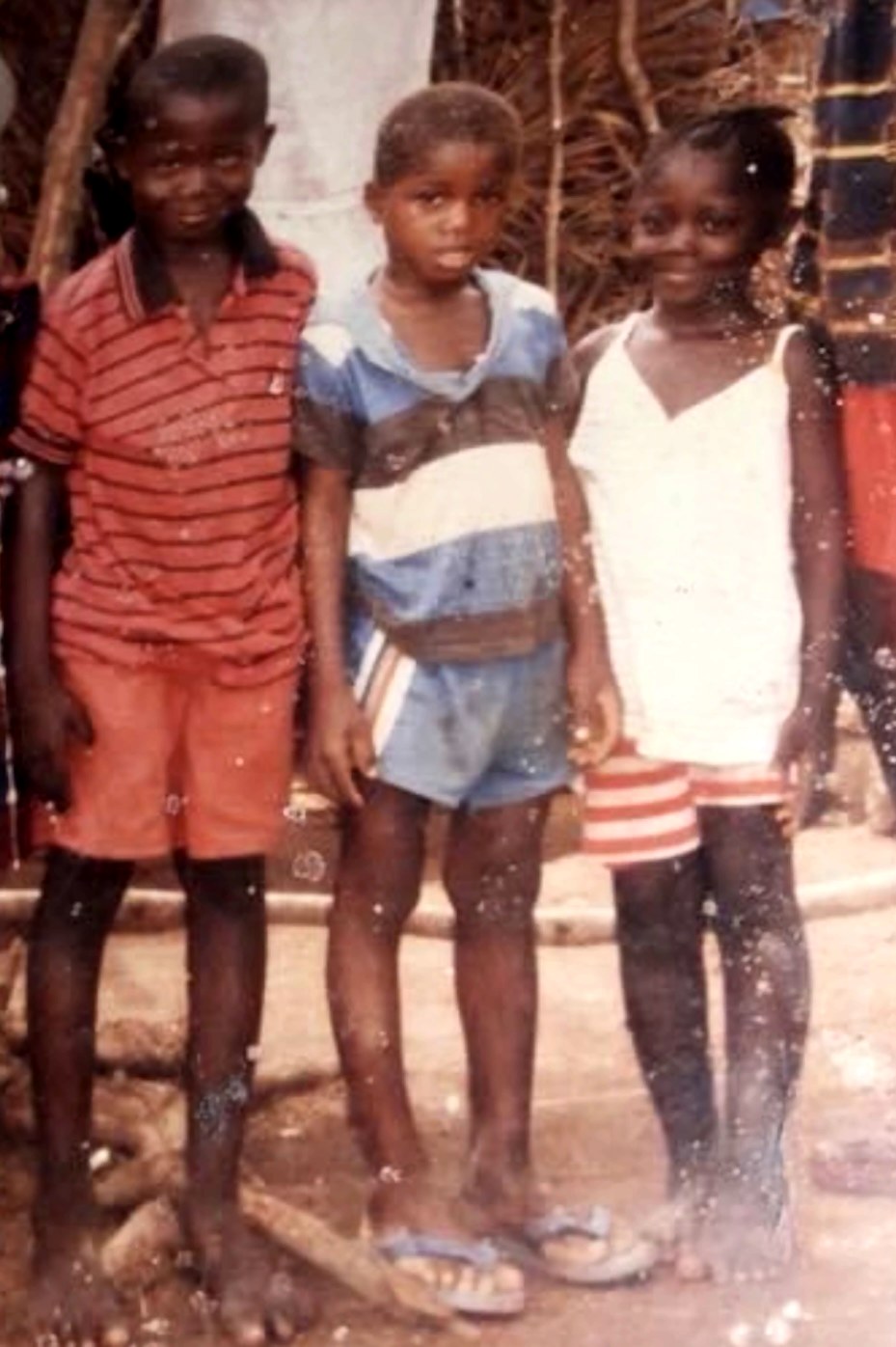
Waterloo refugee camp, Sierra Leone. A four-year-old girl. Her eyes are red and streaming. Her nose is running.
A visitor raises a camera. You’ve seen her before: on television, late at night, with sad music and a voice asking you for a dollar a day.
That little girl was me.
My eyes weren’t red because I was hopeless.
I wasn’t starving. I was surrounded by food I couldn’t eat.
The cure wasn’t a dollar a day.
It was a diagnosis.
- Askiya is the diagnosis.
- MakerVillages will be the treatment.
- Daieplay will be the first dose.
Our problem was never a lack of food, skills or land. Someone else designed the system.
Whoever holds the camera decides the story.
I want to take back that dollar a day. Not to feed a child waiting to be rescued, but to build something we own.
The picture the commercials never showed.
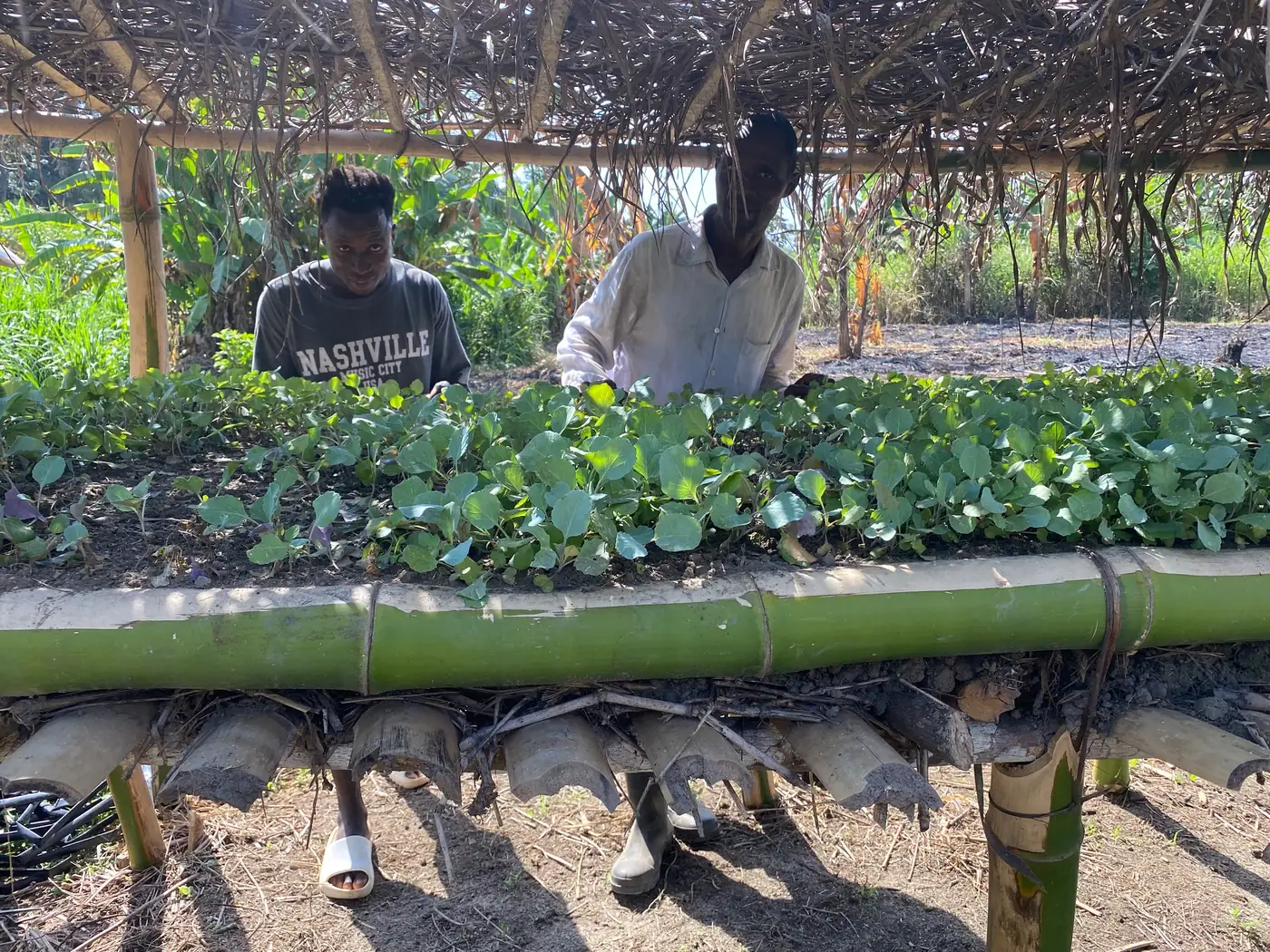
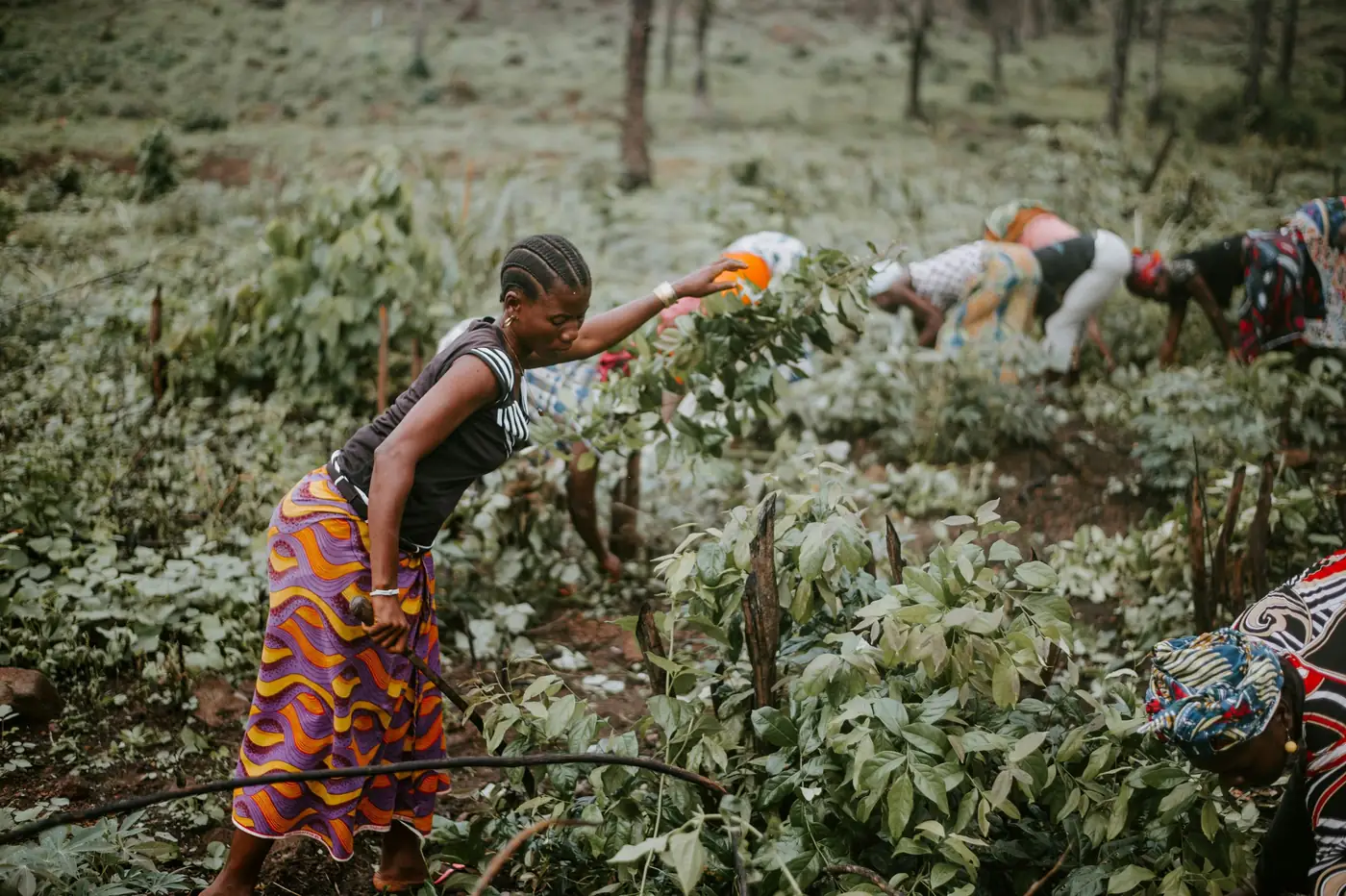
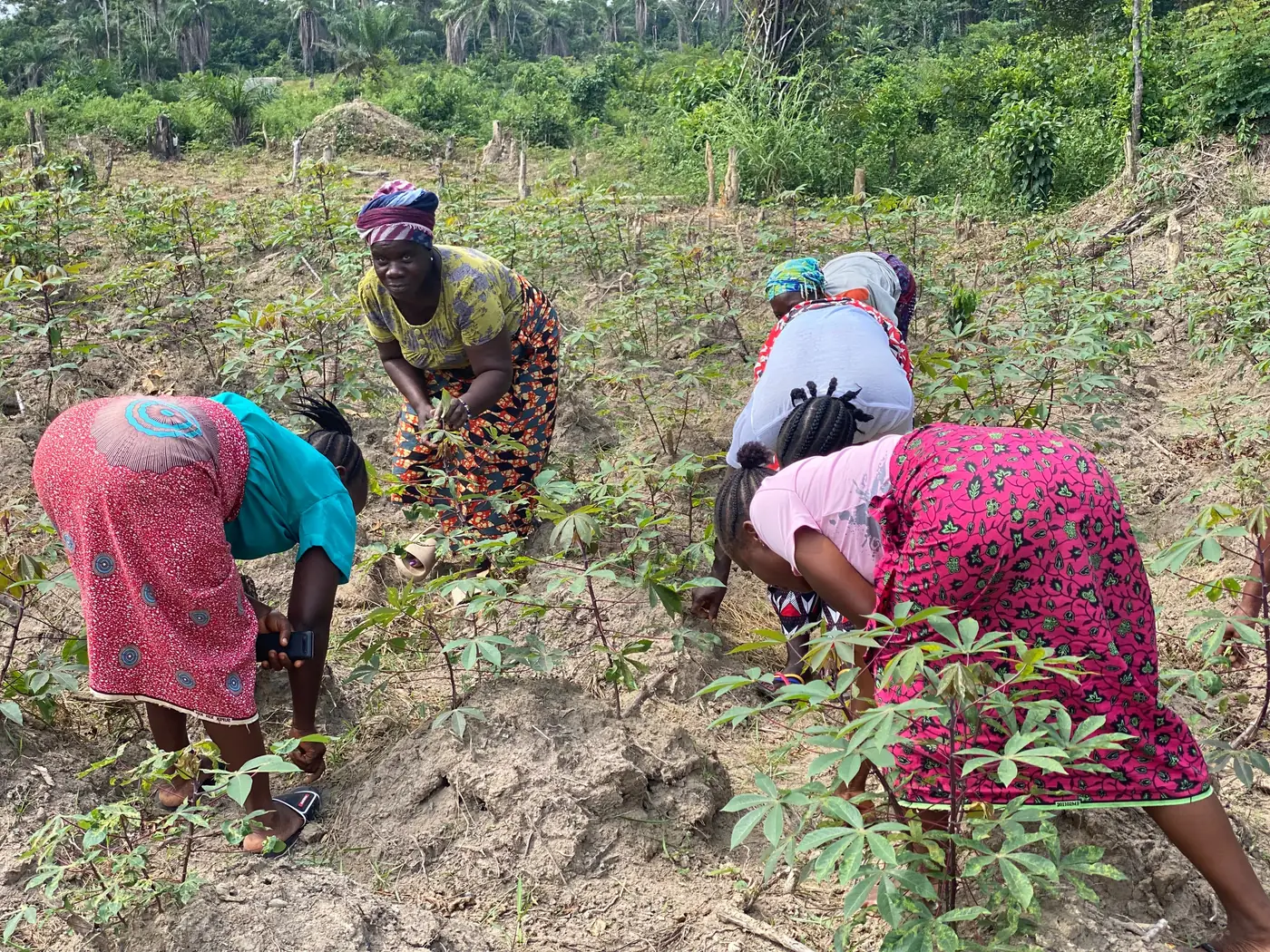
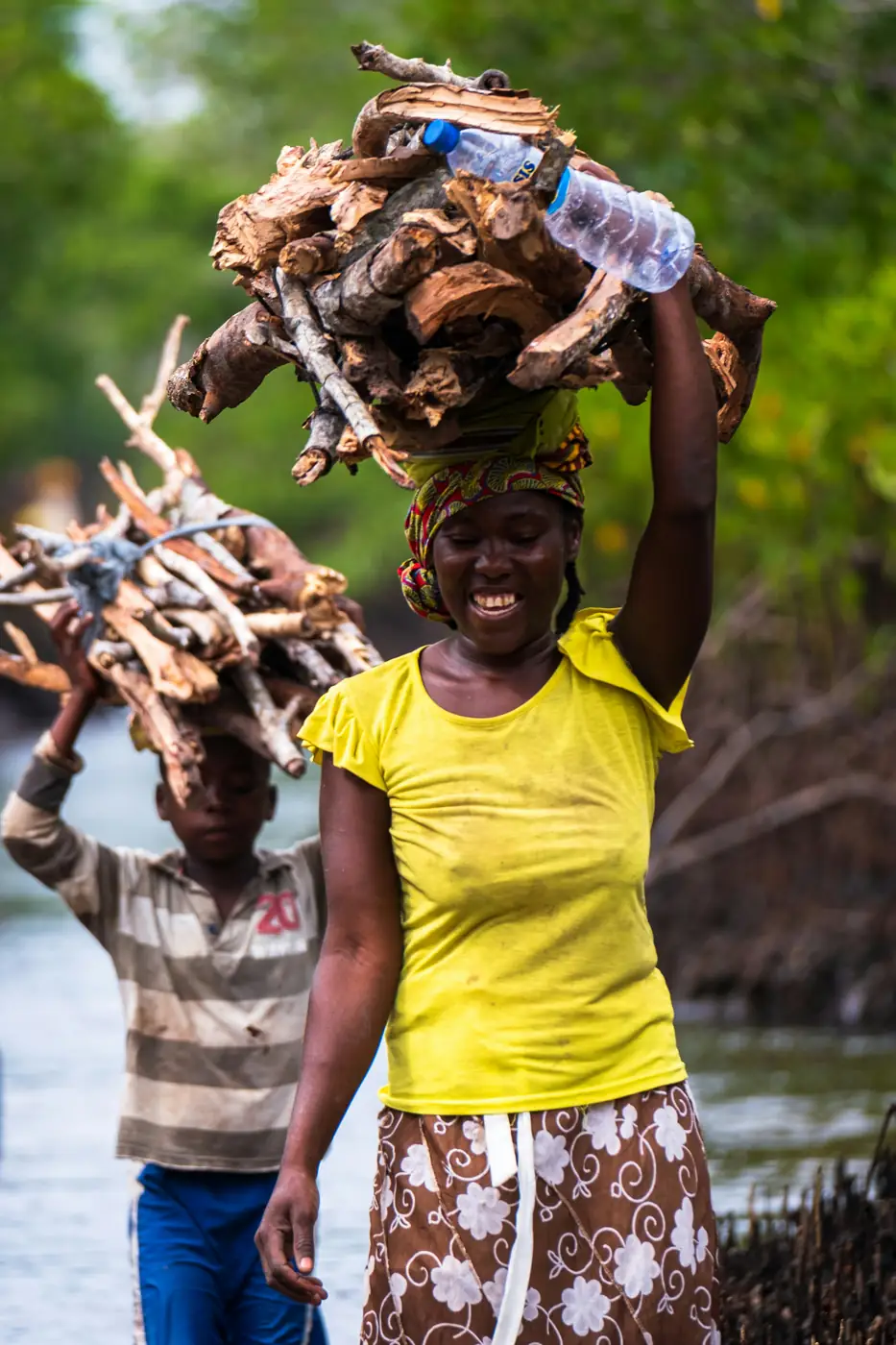
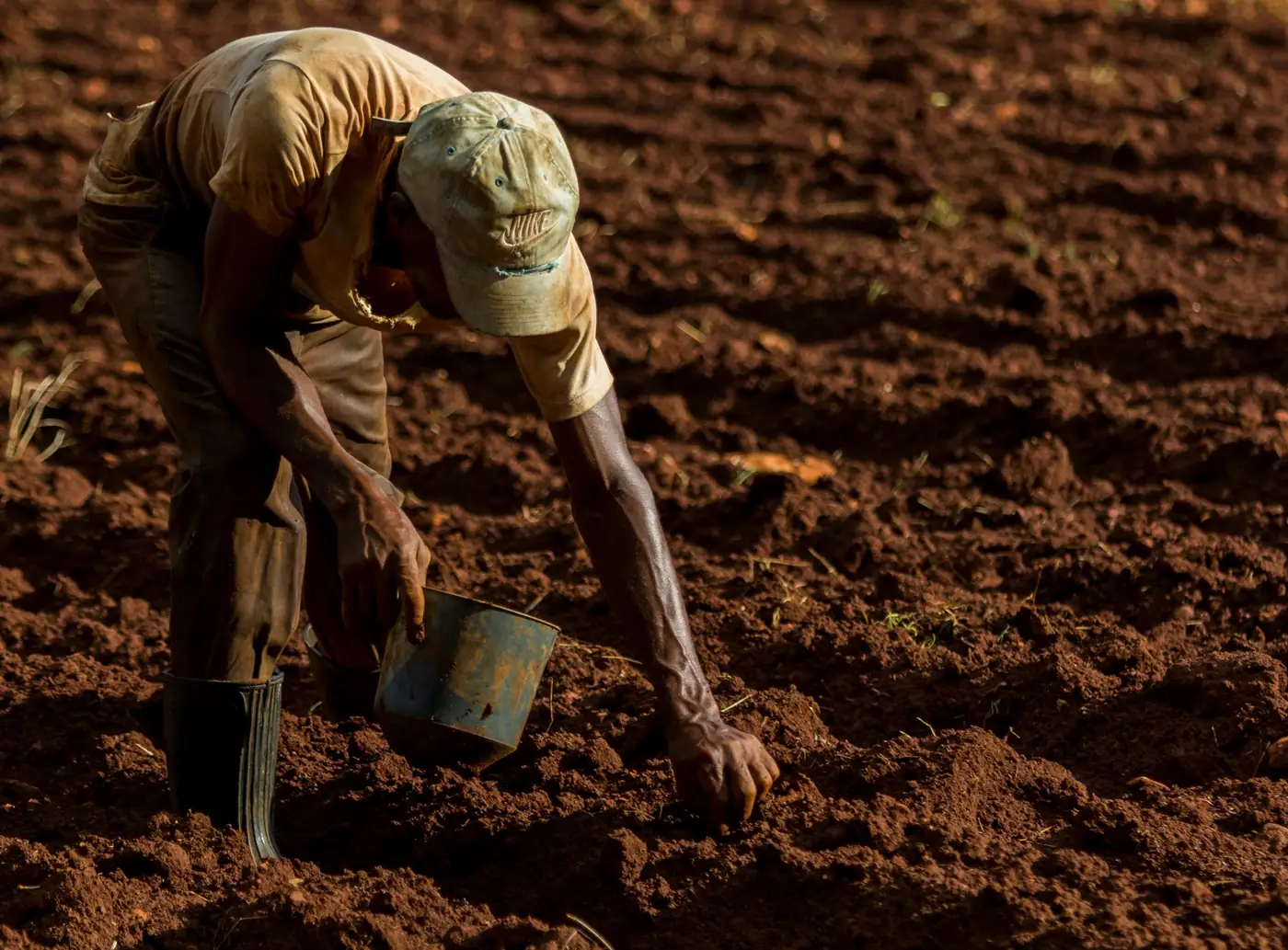
We already have the skills. Give us the resources.
Said in a camp meeting my mother organized in Waterloo. She trained, was certified by UNICEF, and went to work: sanitation, food distribution, organizing families. I sat at her feet.
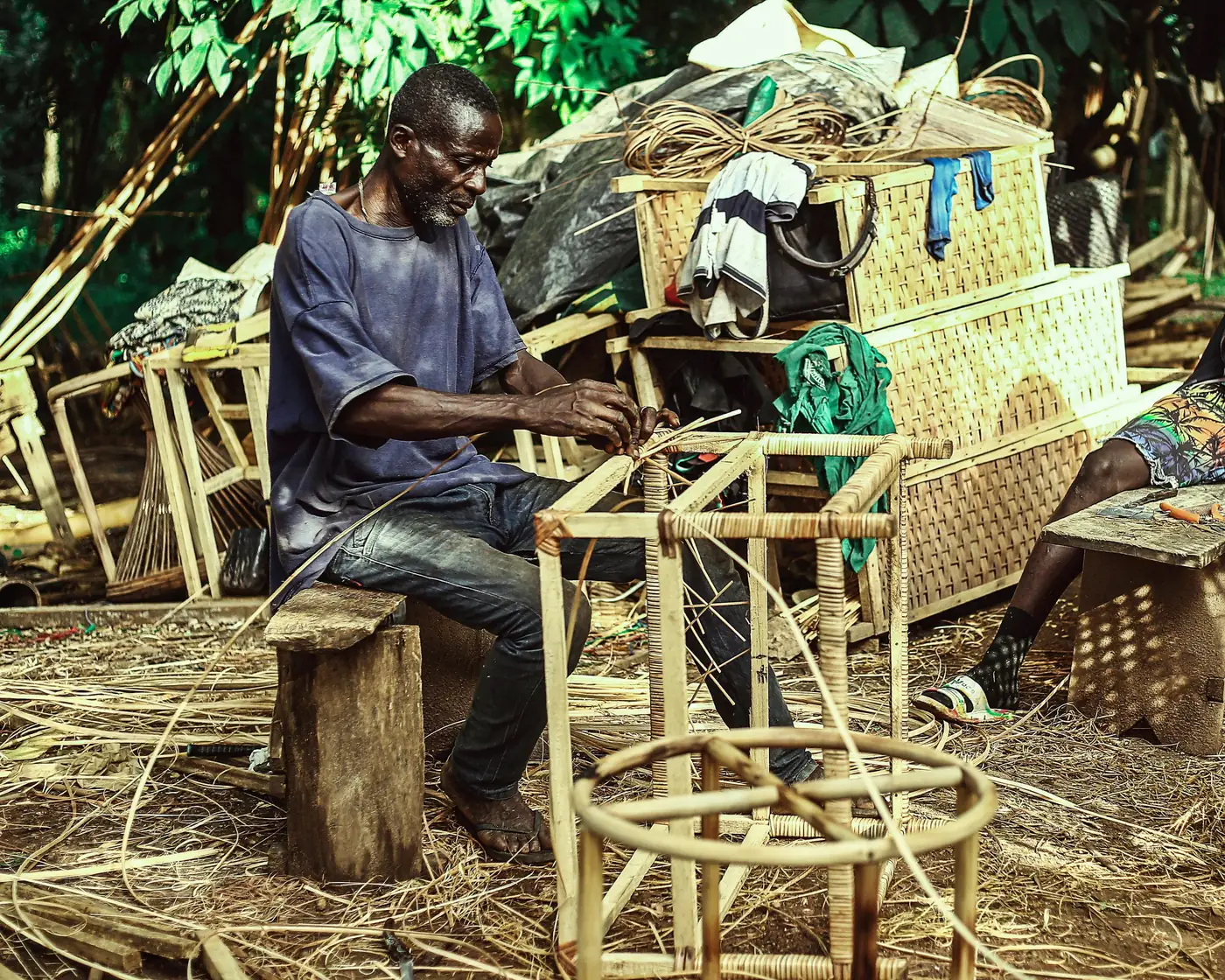
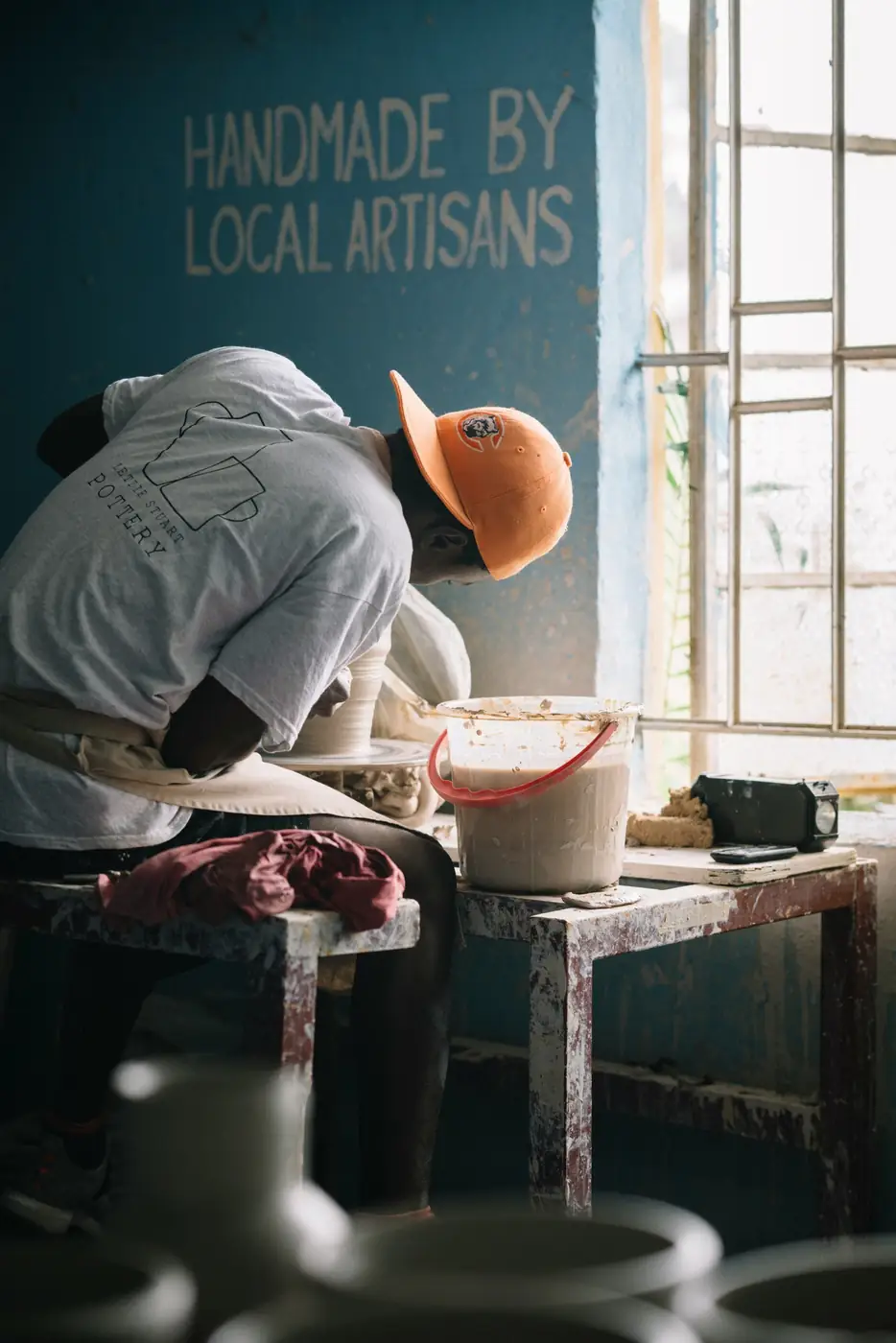
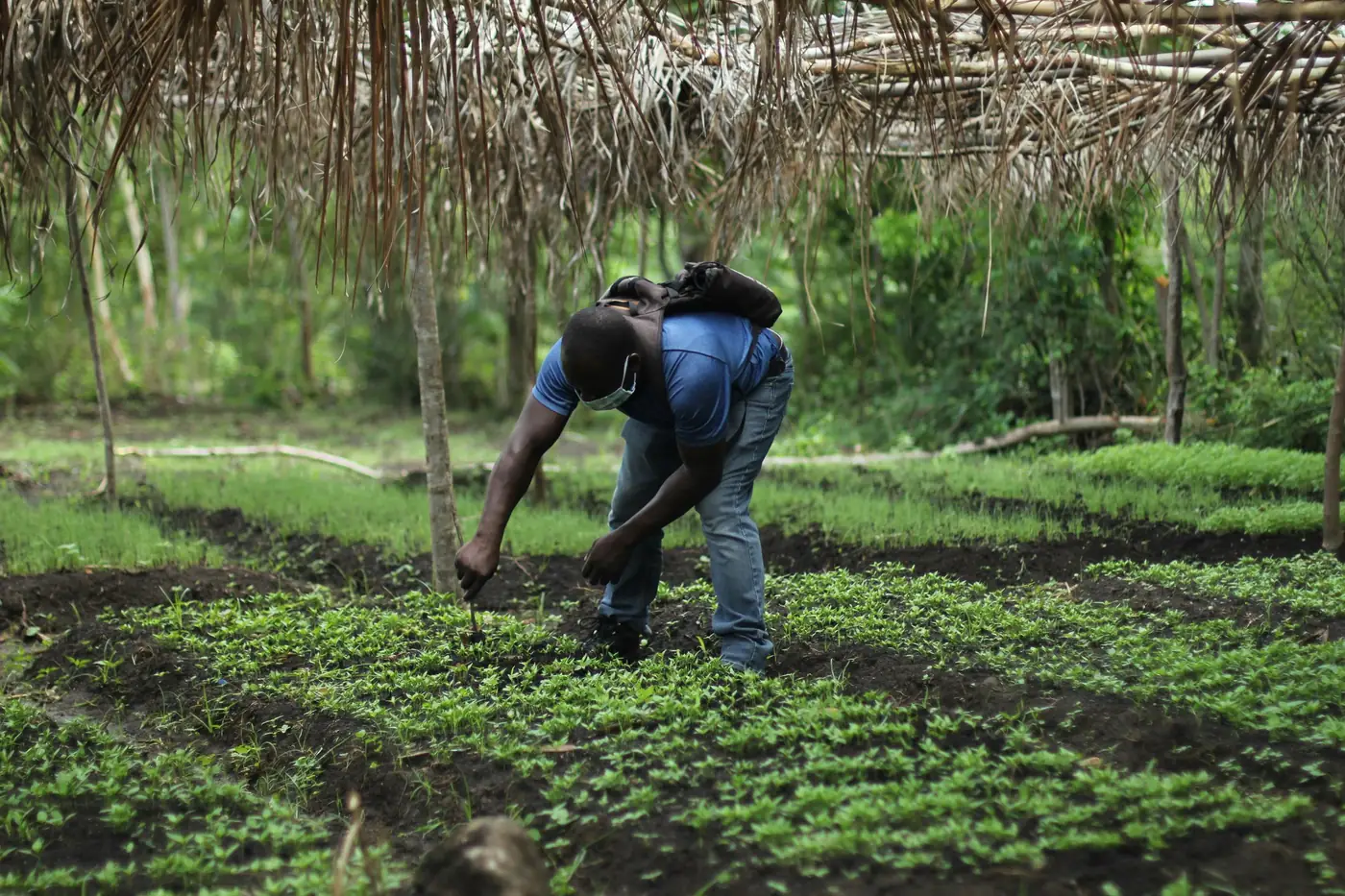
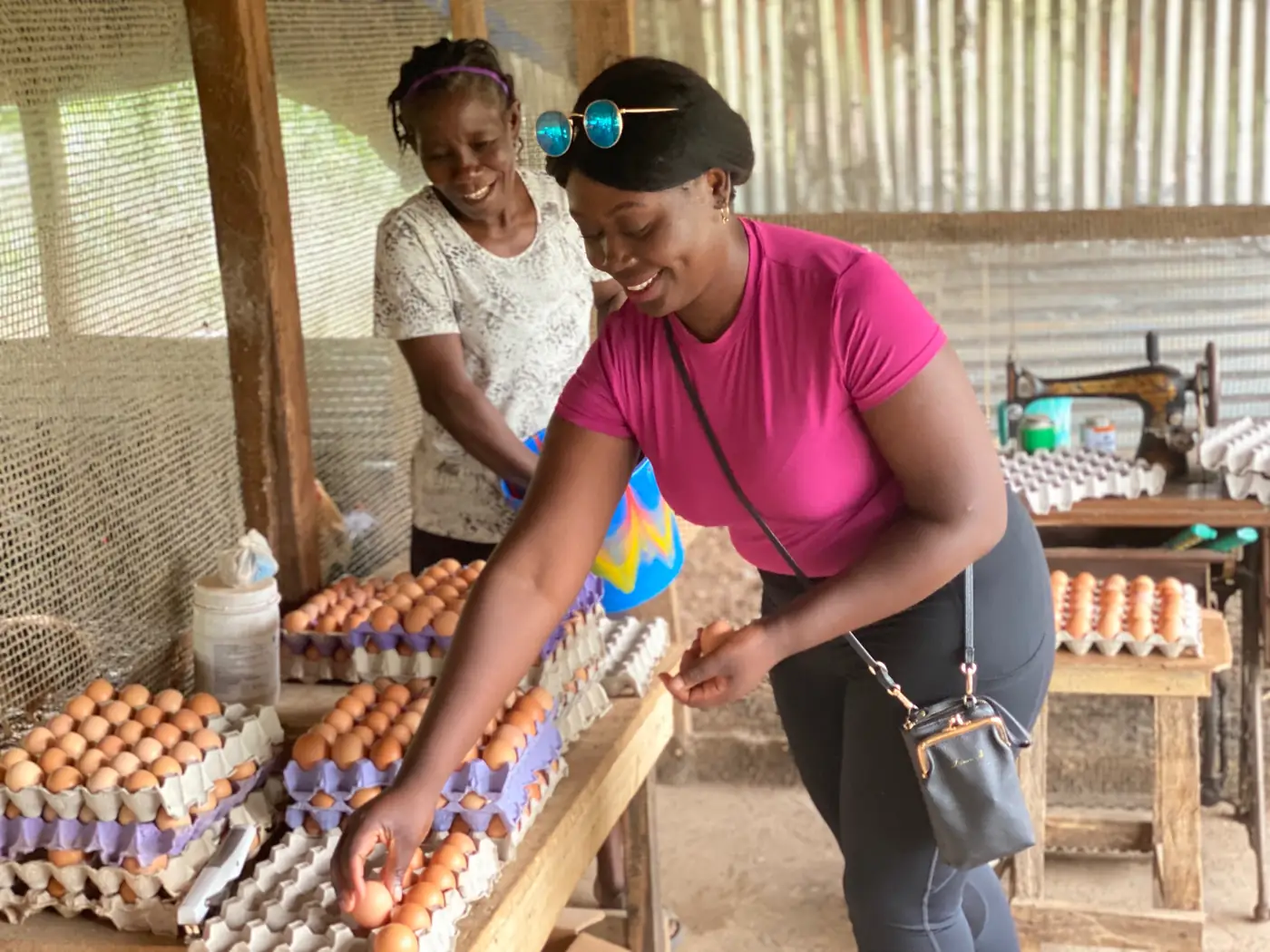
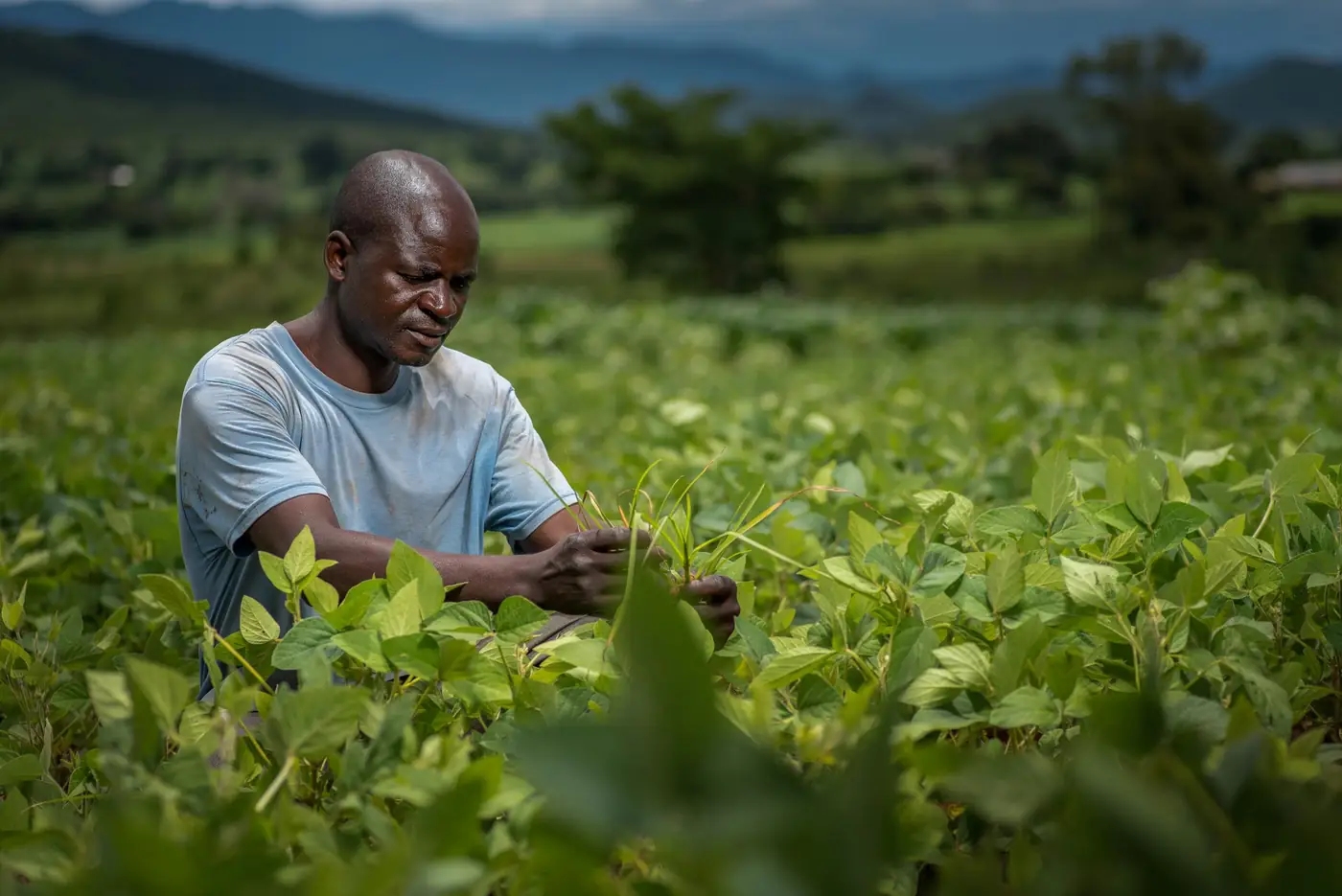
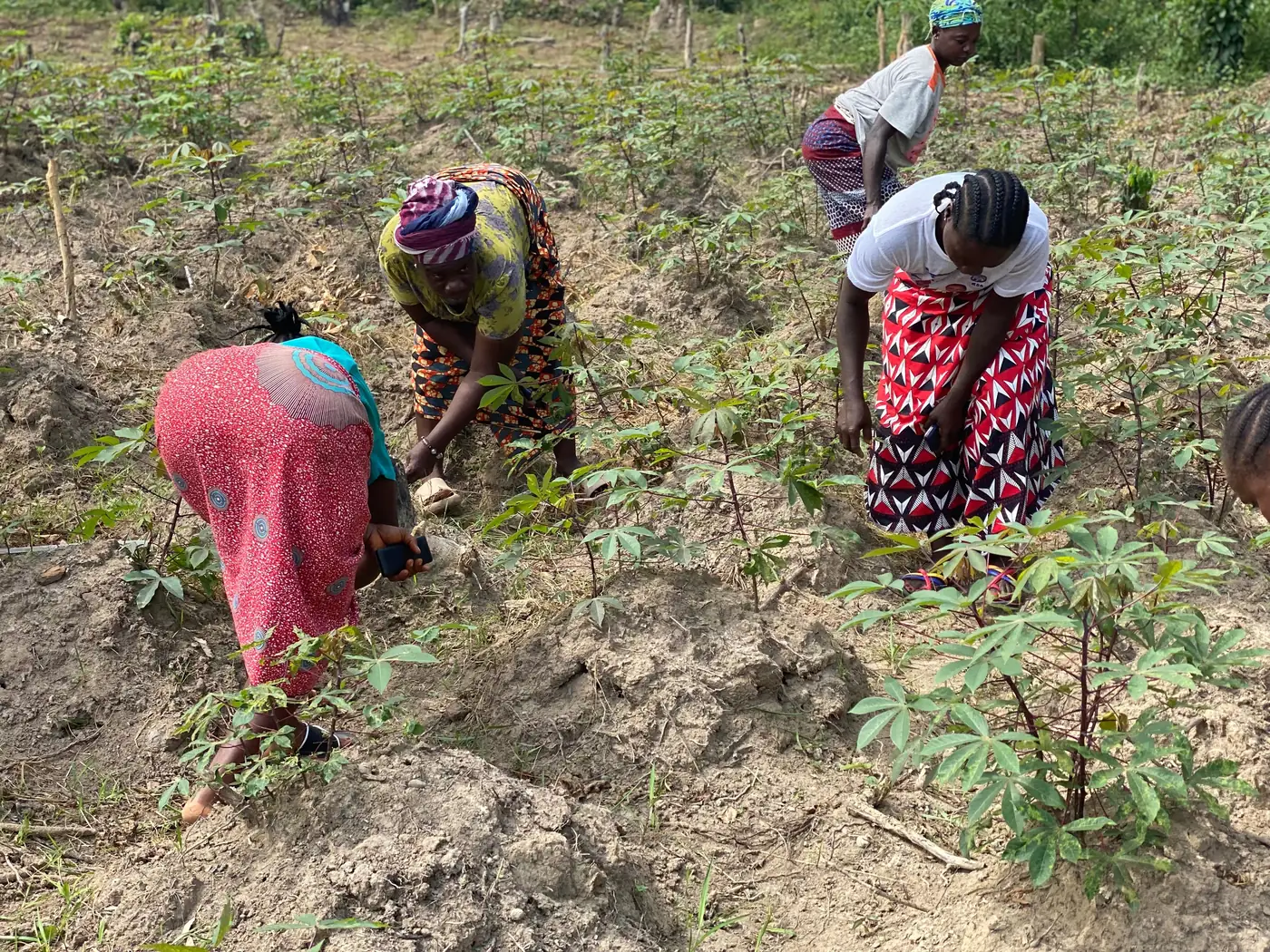
Follow the thread. Where it ends, that’s where your future is.
About ten generations ago, my ancestors crossed a river from what is now Côte d’Ivoire and built our villages in Lower Nimba.
Christmas 1989. The war began in my family’s villages.
We hid in the U.S. Embassy in Monrovia, fled to the Waterloo camp in Sierra Leone, and came to Rhode Island in 1994.
- Côte d’IvoireA crowded village
- NimbaCrossing the river
- MonroviaFreed Black Americans
- U.S. EmbassyAmerica on that land
- WaterlooAfricans freed from slave ships
- Rhode IslandDriven out for belief
- DaieplayThis time, we design it
Every place I have called home was a settlement. Another settlement. But this time, we’re the ones designing it.
Not American enough. Not African enough.
Growing up in Providence, then going home to Nimba.
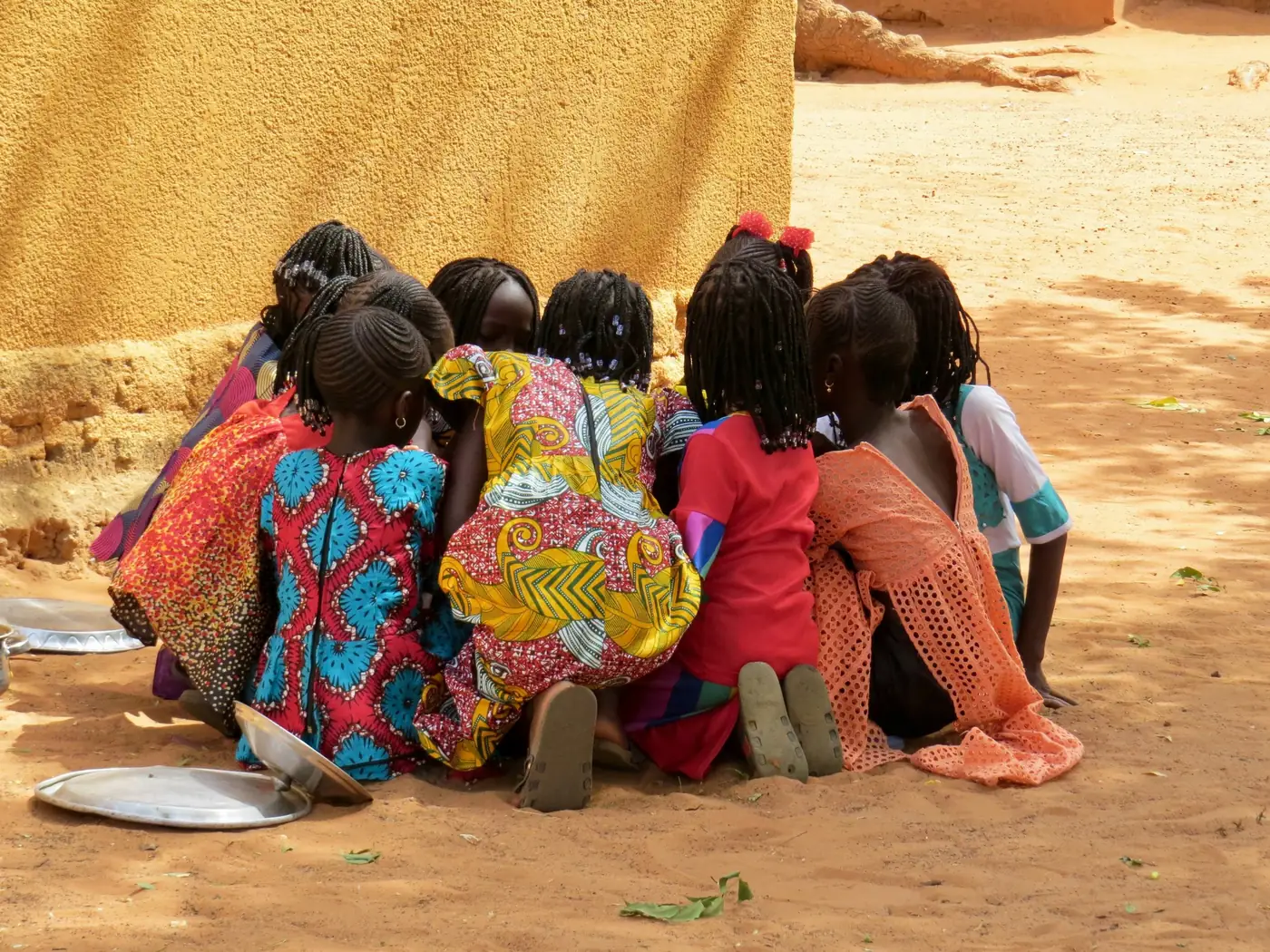
Open each part with the numbers.
Imagine being bullied by a commercial.
Nobody said a word to me. The TV did all the work.
All chasing the same straight hair.
Why are you trying to make me African like you?
I’m ashamed that I was ashamed.
My mother wasn’t making me African. She was using traditional knowledge to solve a problem.
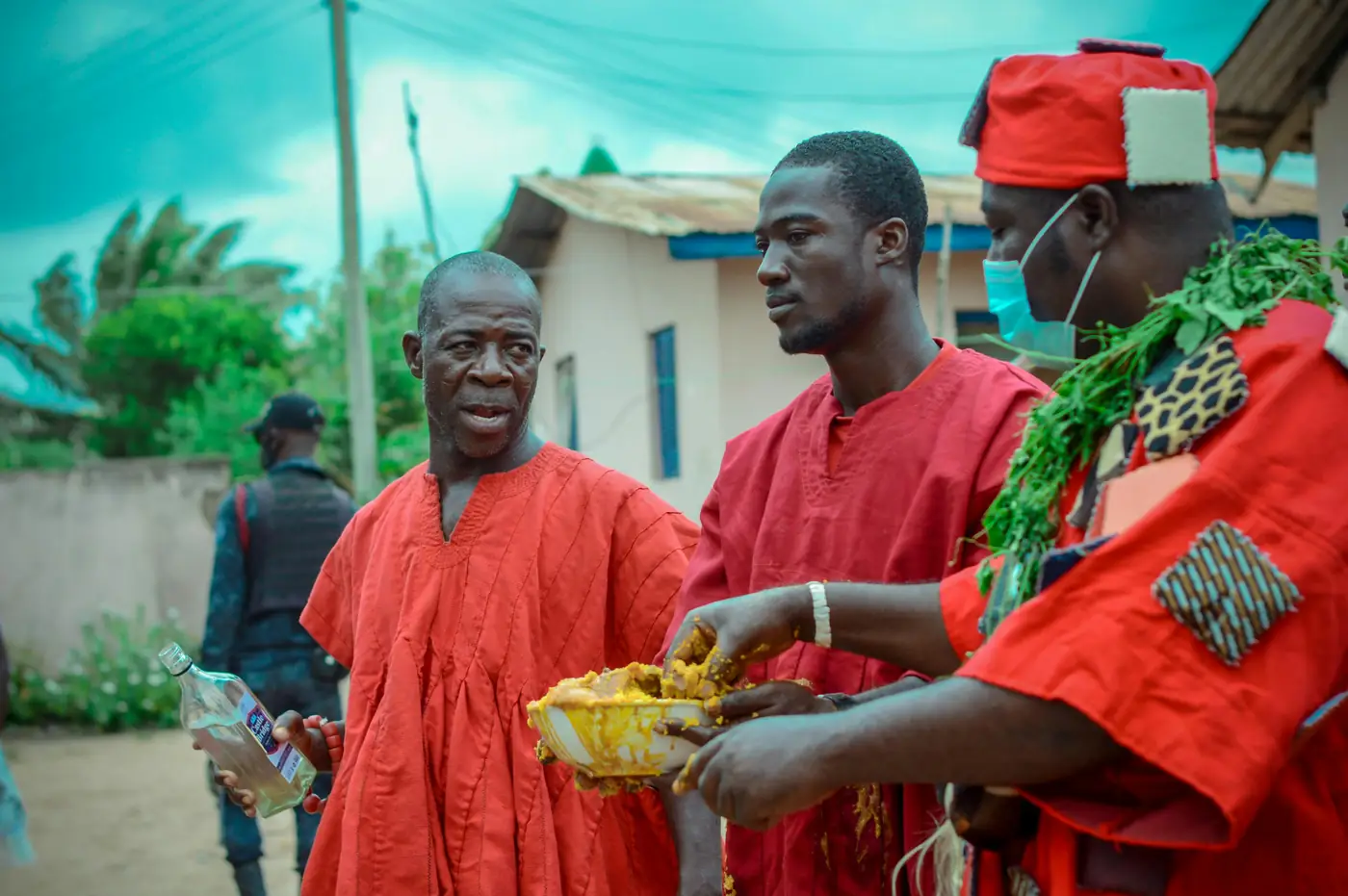
Now I understand your history.
Not American enough.You’re African. How do you not know this?
Not African enough.I had been taught my story began in chains.
She looks like us. But she talks like the white man. She must not be real.
I had come home. And to them, I was a ghost.
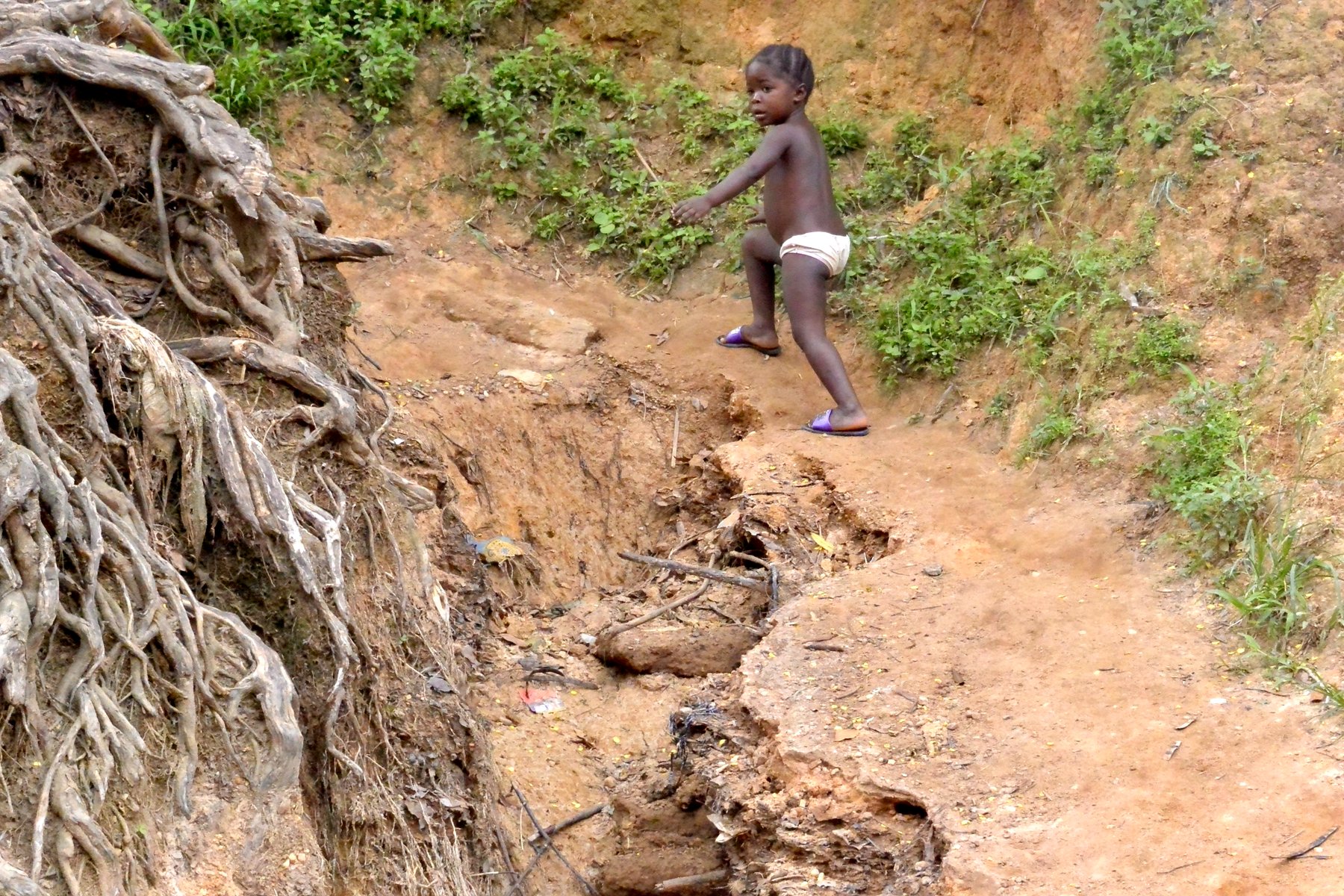
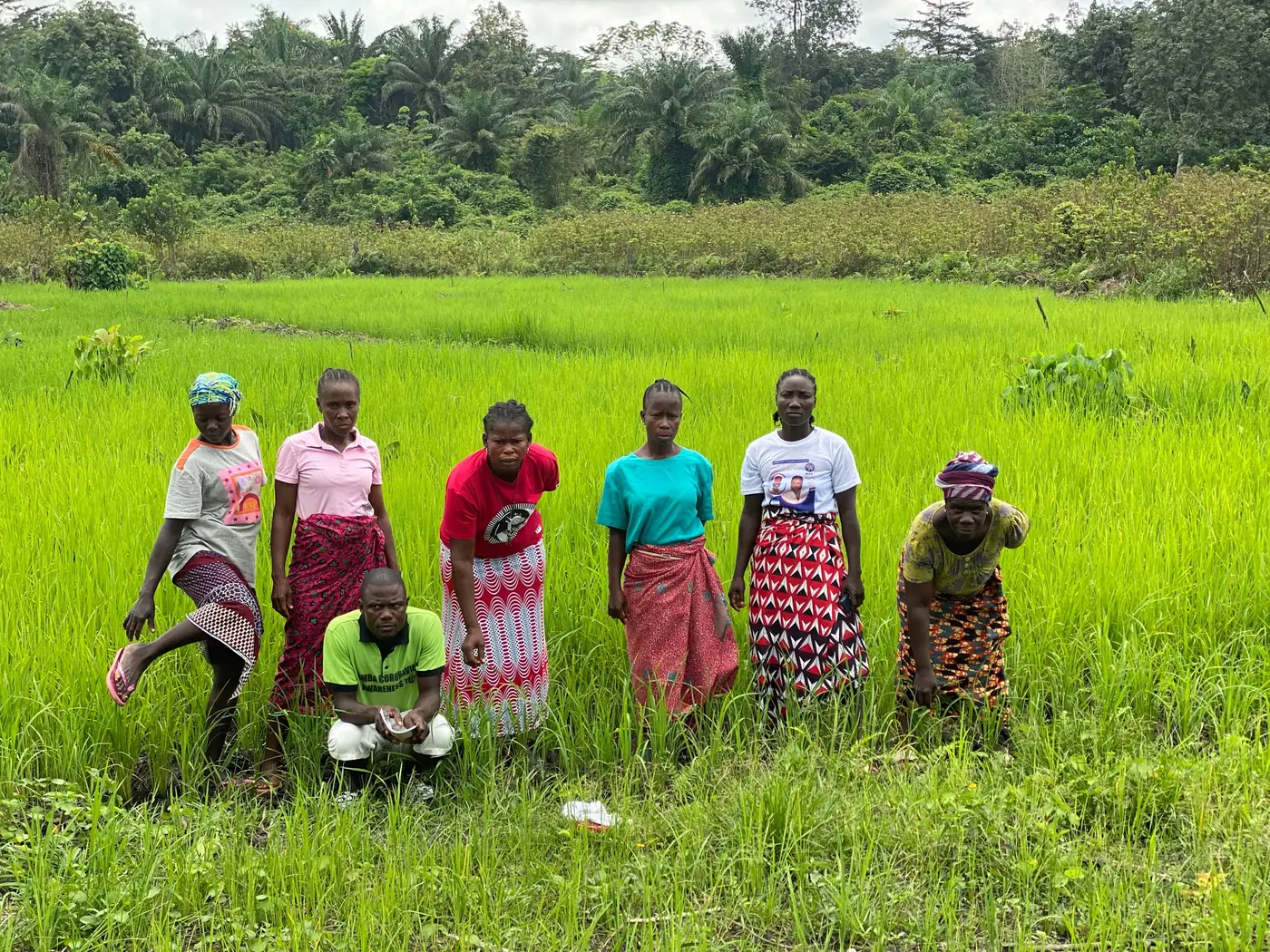
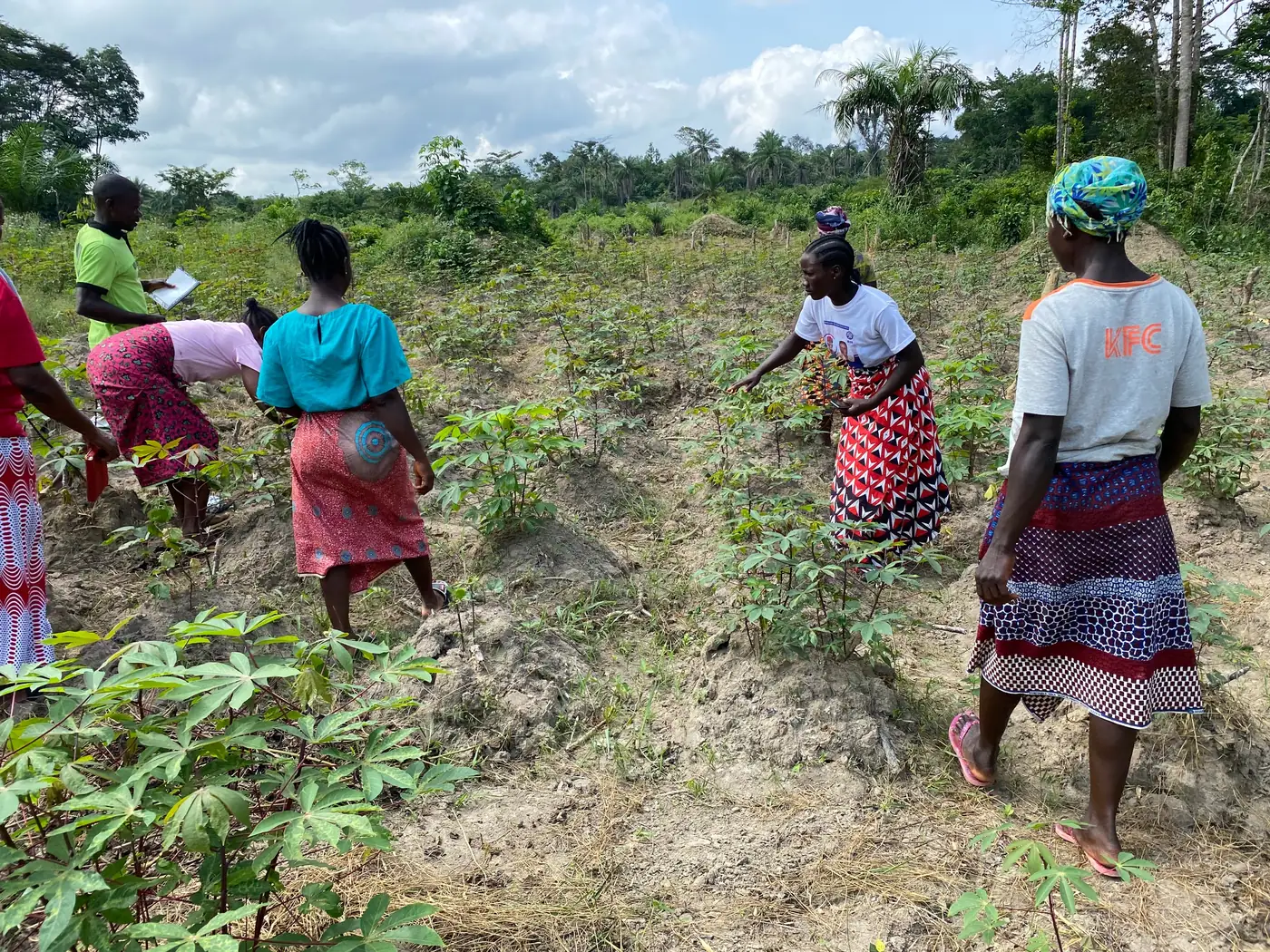
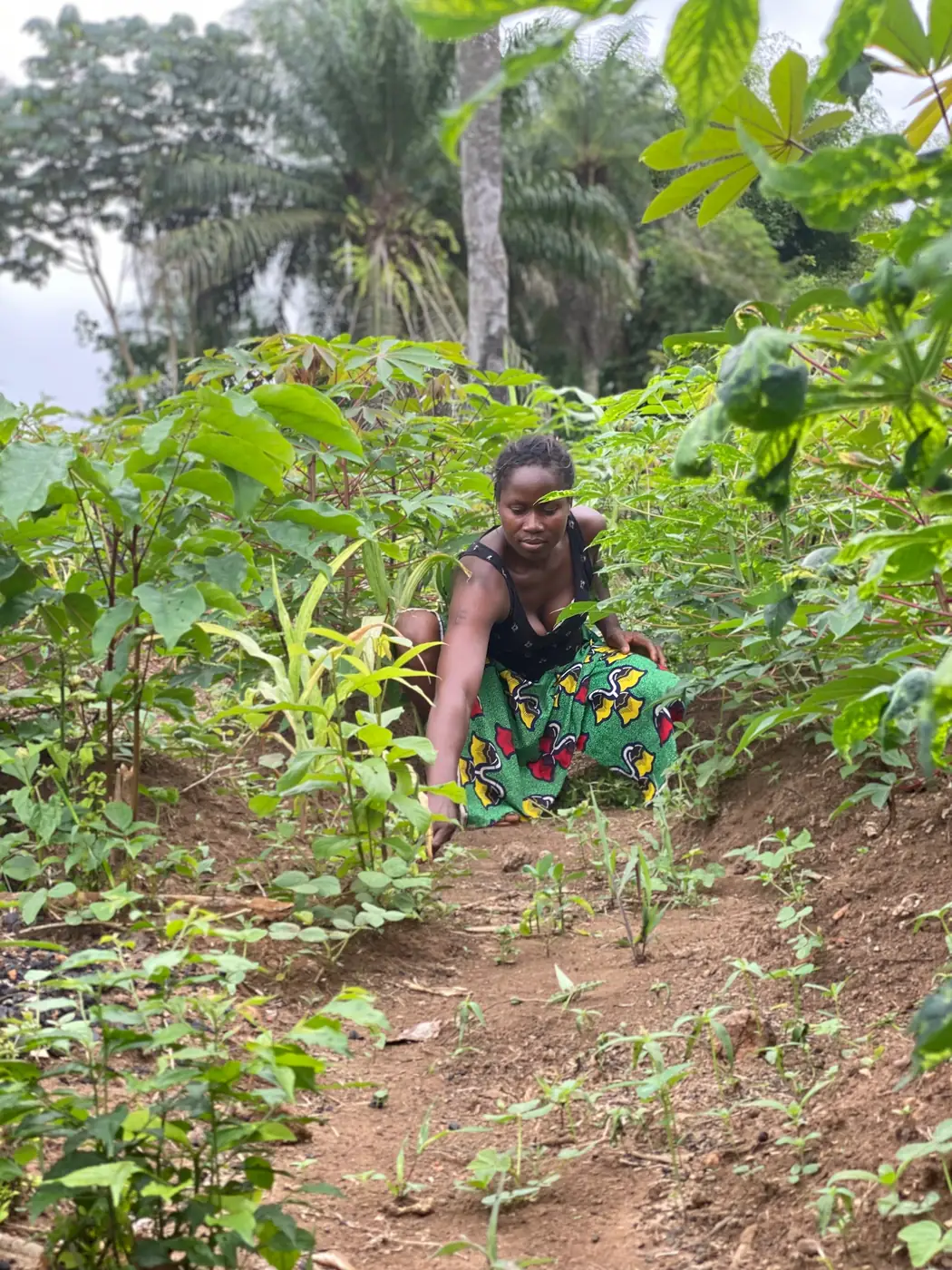
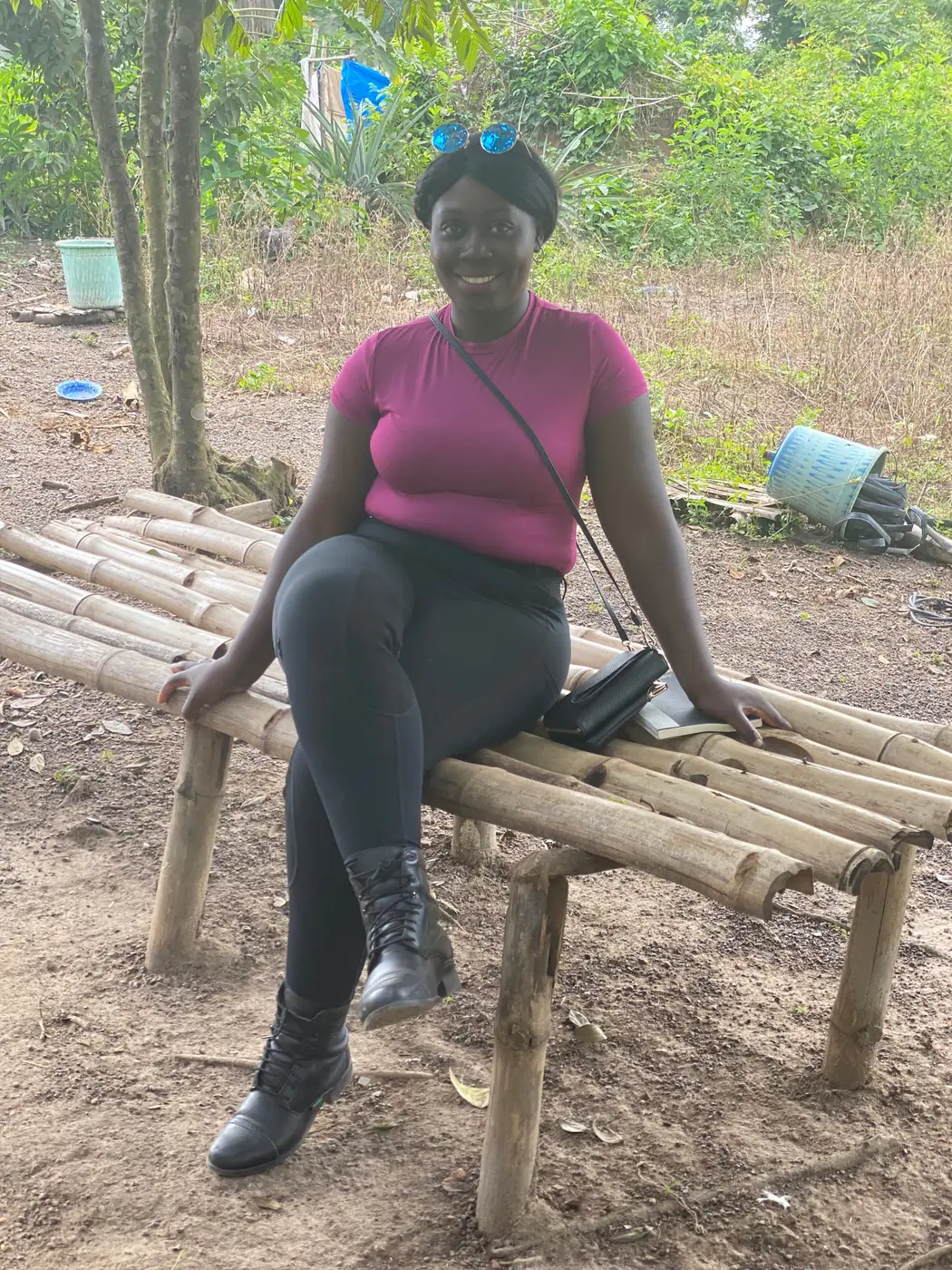
A story that begins in greatness.
From Askia the Great to AskiaTech: when the system changes, people rise.
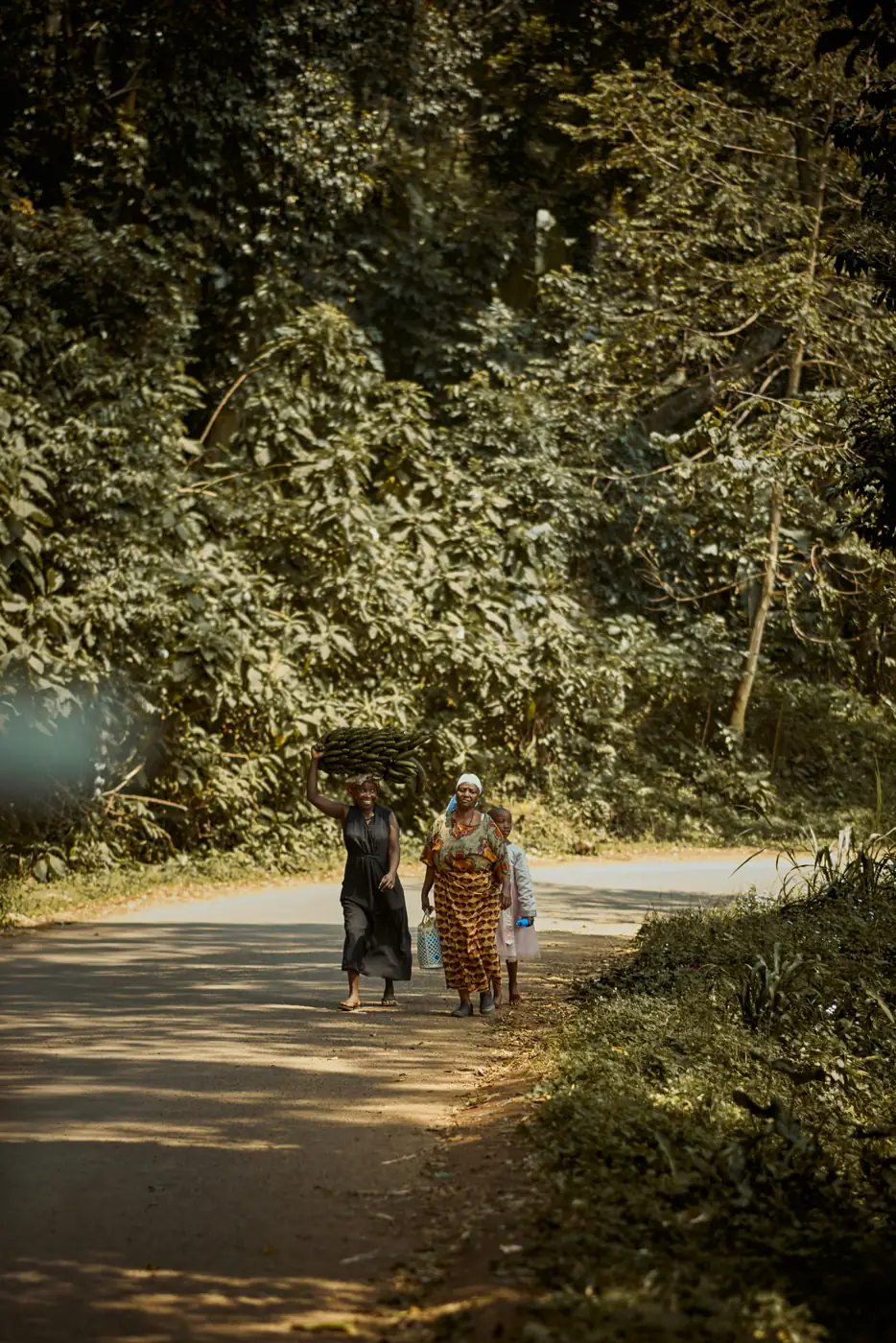
Open each part with the numbers.
Askia the Great
Songhai Empire, around 1500.
He sent people out to learn, and he brought the knowledge home. I renamed my organization for him: Askiya.
Wealth, land and knowledge flowed away from the people who created them.
My mother taught a Rhode Island farm to grow Liberian crops. Then we watched them sell those crops back to us.
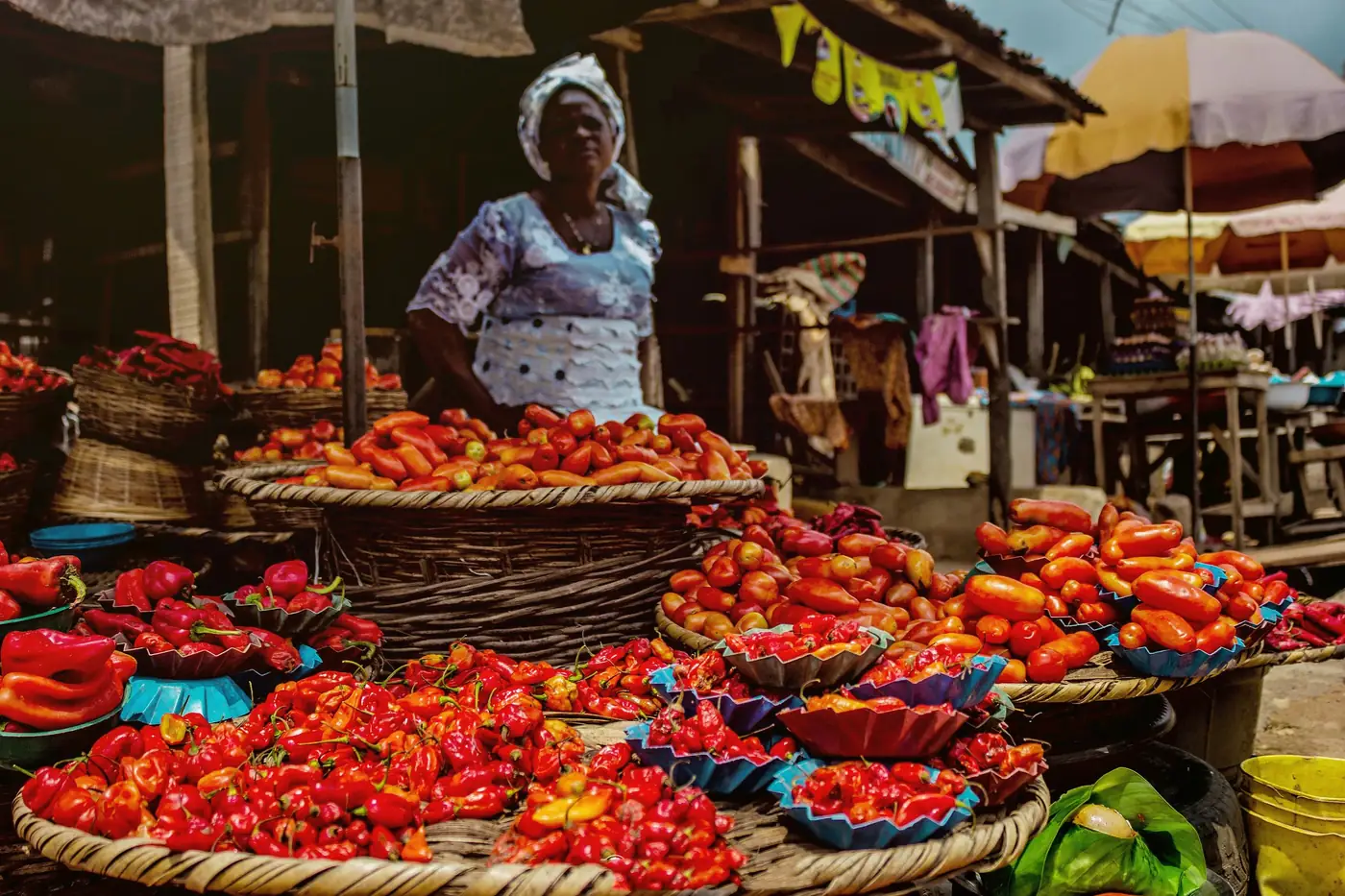
How can I do that?
A young woman and our driver asked the same question. That was the moment AskiaTech began.
The angriest person in any community is the educated one with no opportunity.
Here, the system isn’t broken. That is the system.
Nothing about them changed. The system around them did.
He didn’t need saving. He needed a door.
You can’t Google that salary. That job didn’t exist here until we created it.
$250 a month internship stipend · $1,000 or more a month after graduation · $2,000 to $3,000 for some graduates.
AskiaTech proved it could be done.
For this work in Africa and in Rhode Island, Salesforce gave me the Golden Hoodie. Today AskiaTech has grown into Wonyi.
Who is better off, and how?
What we learned when the communities built and someone else took control, and why this time we own it.
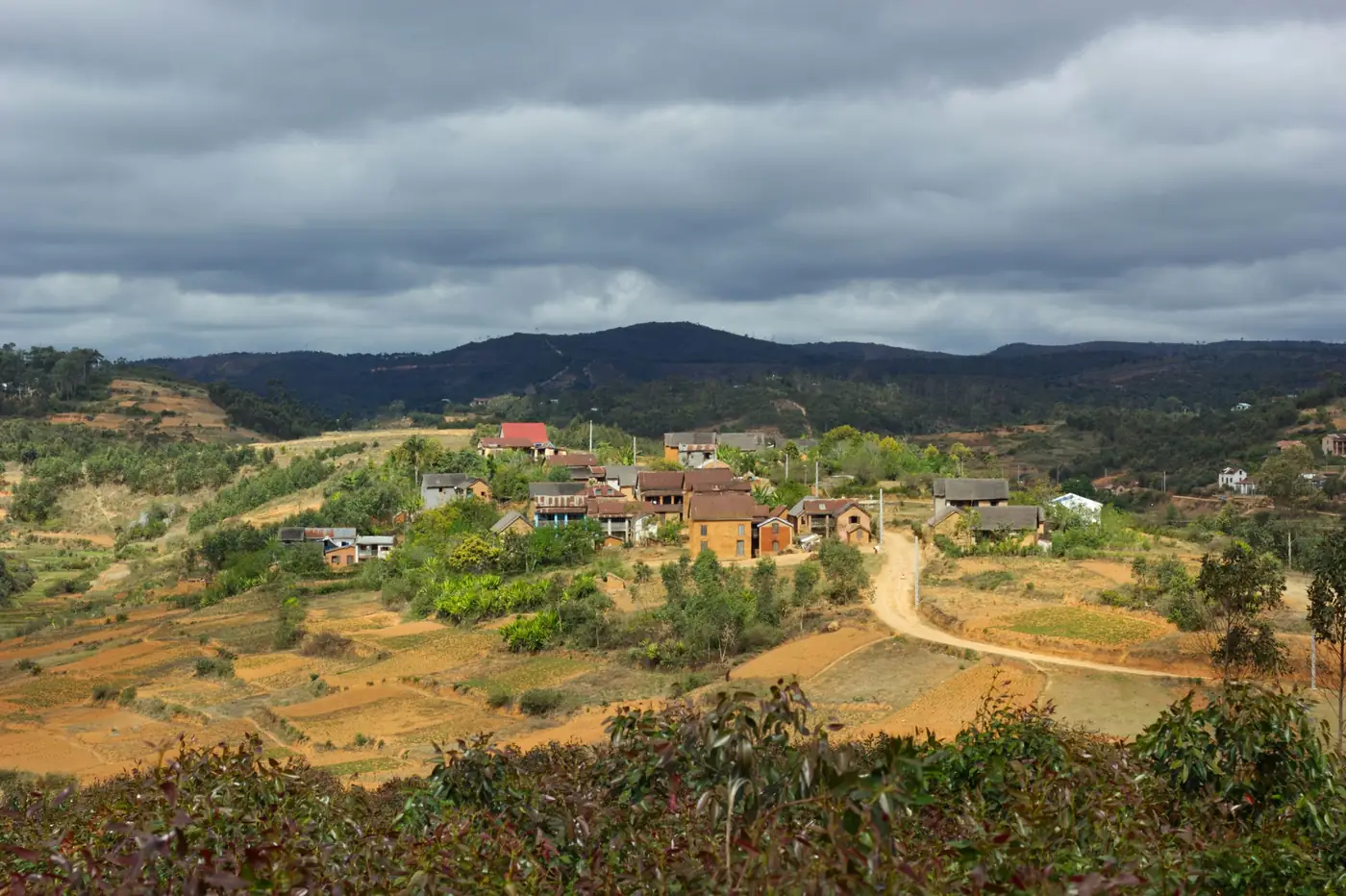
Open each part with the numbers.
Stop taking our girls.
people left in the village.
We want them educated. We don’t want them gone.
The women had answers.
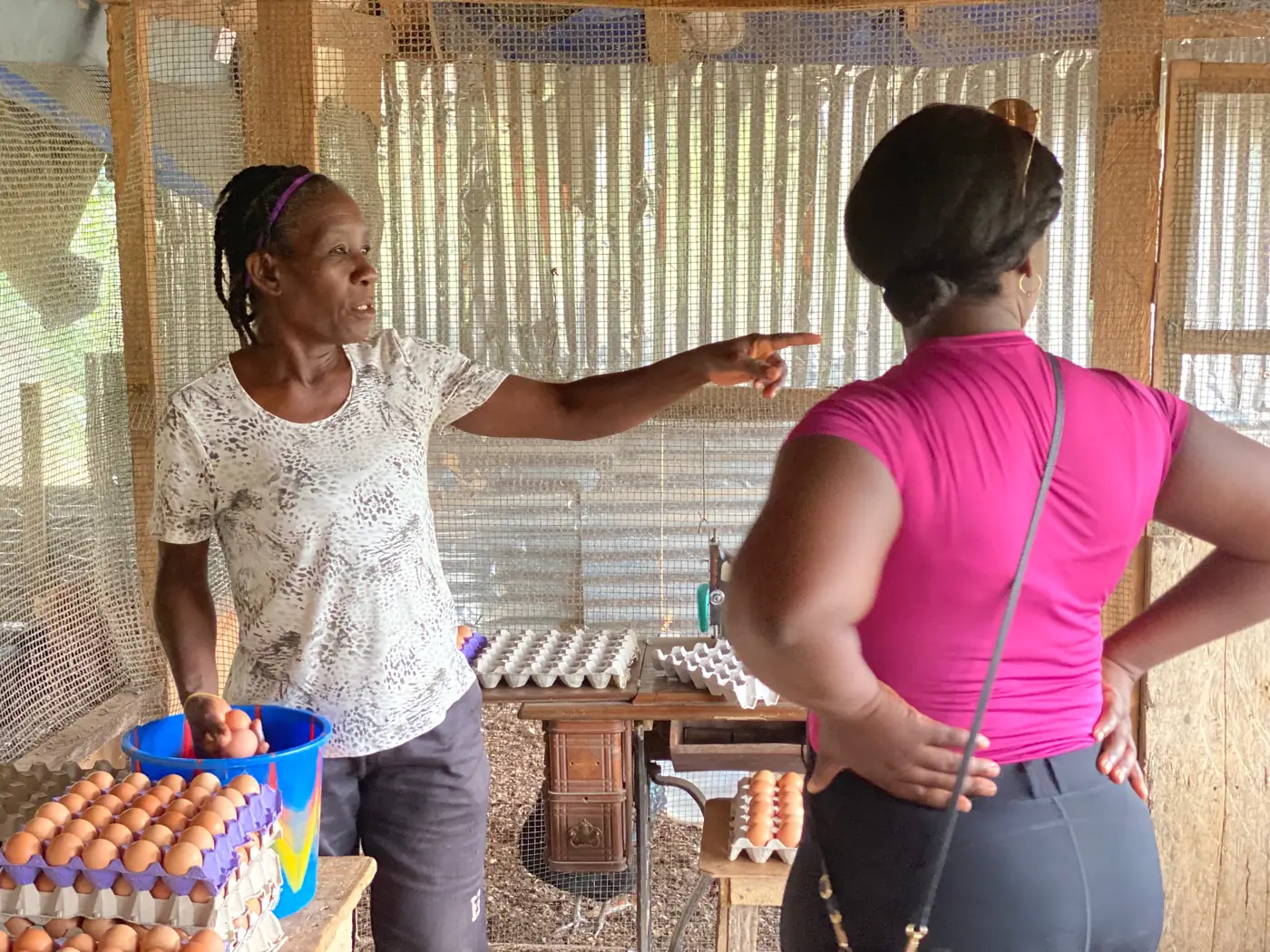
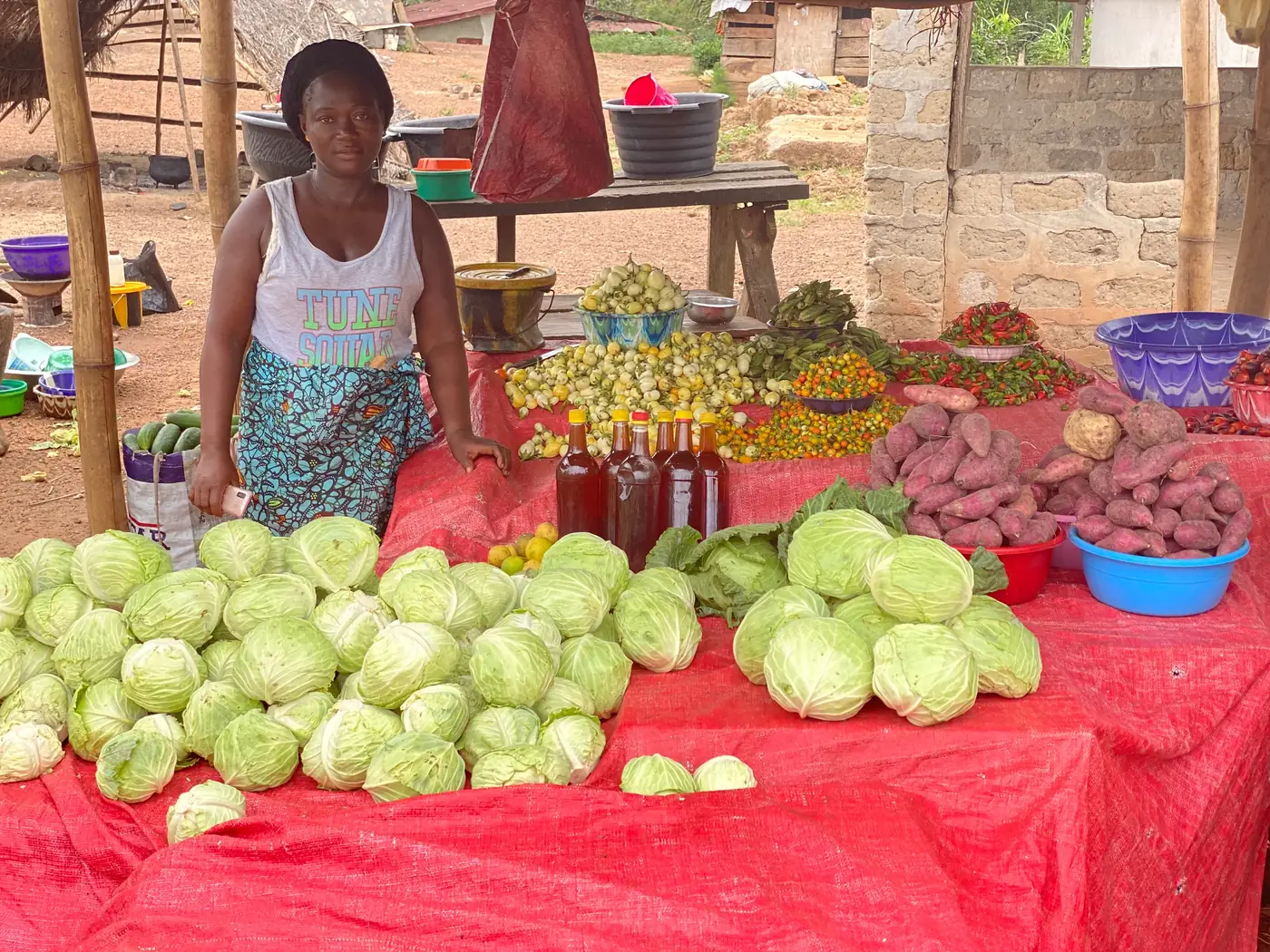
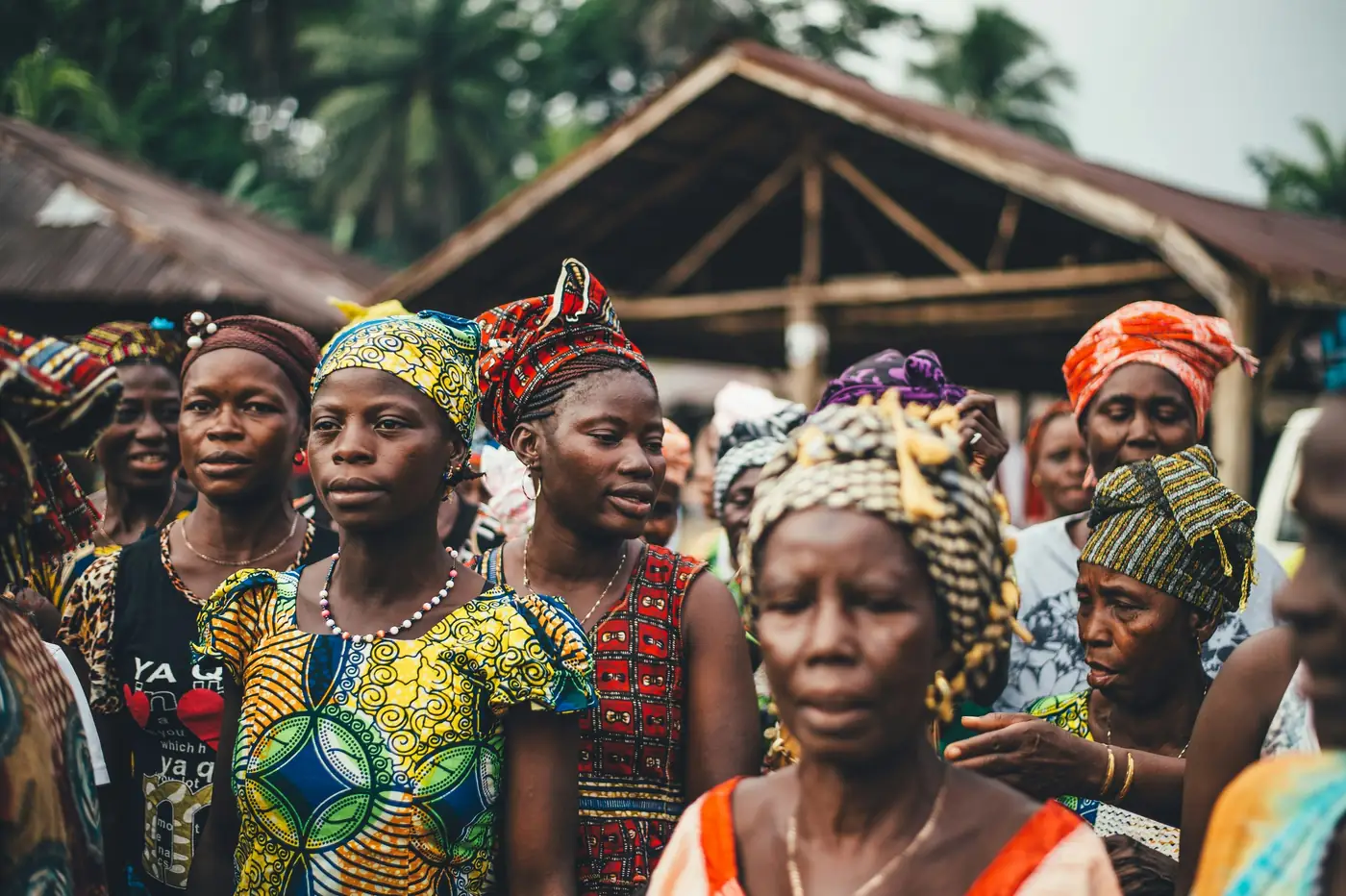
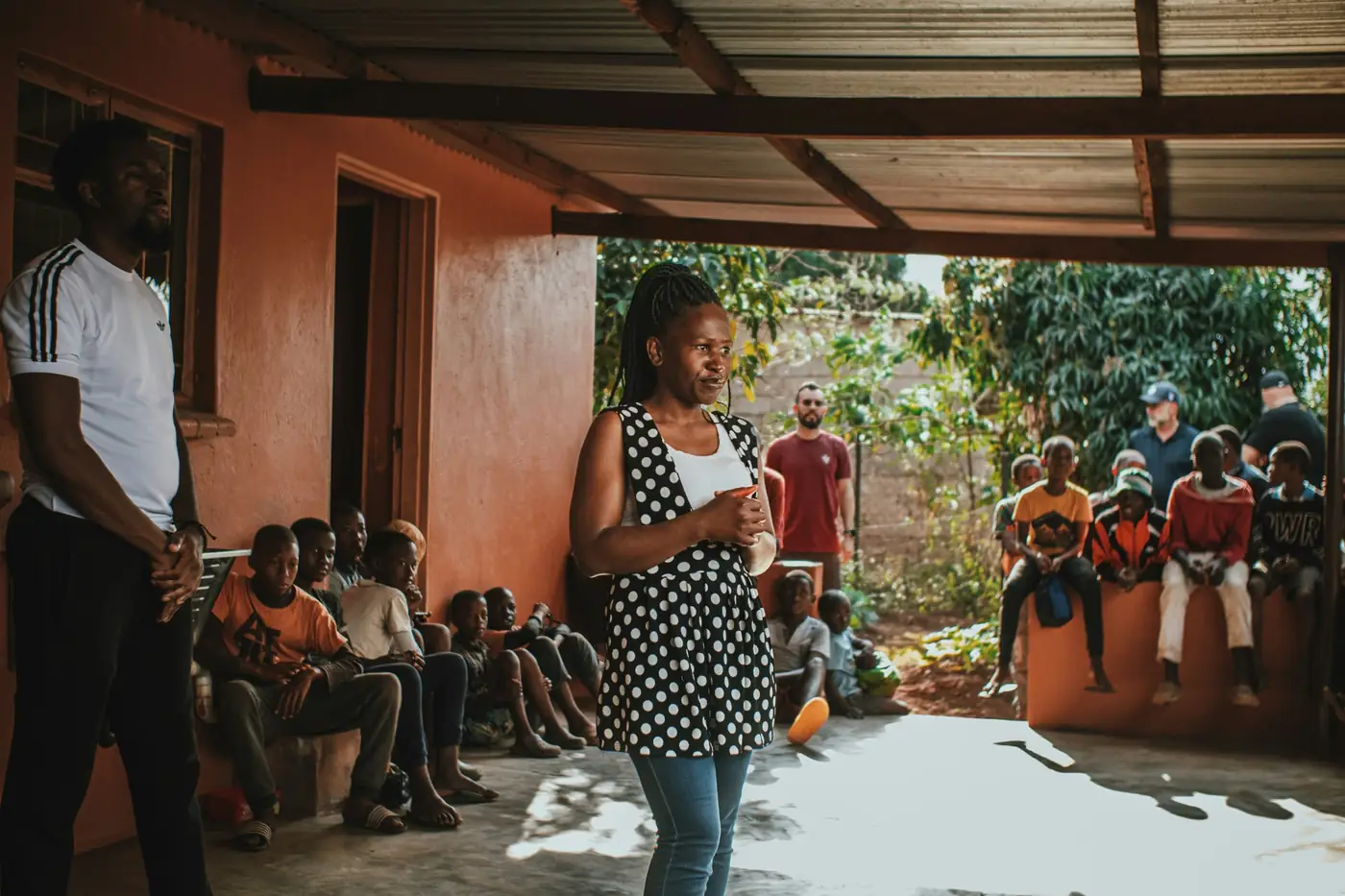
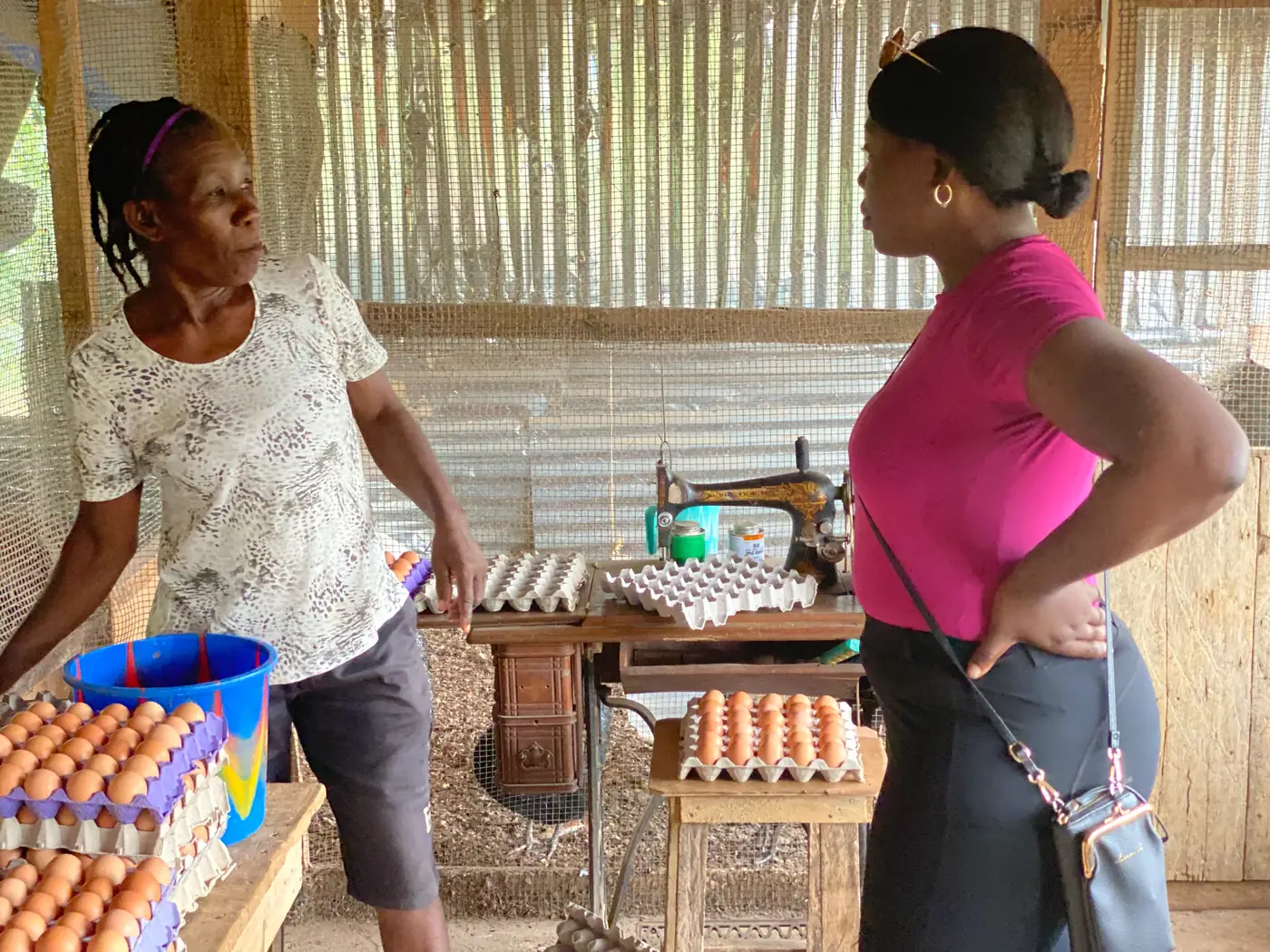
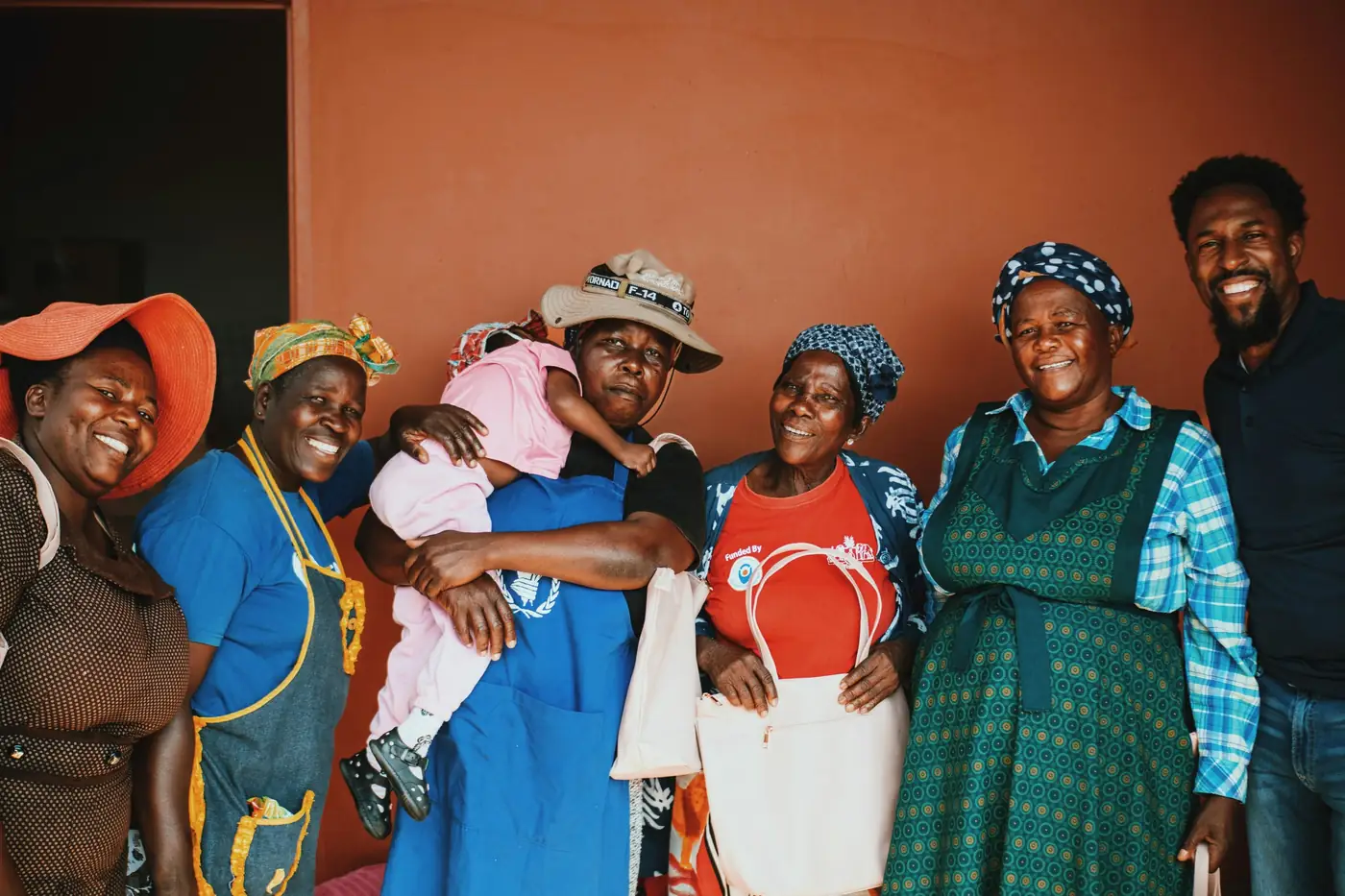
It worked. Until it didn’t.
A chief who never went to school made himself principal, and charged tuition to the children of the women whose cashews paid for the school.
Not the women.
Because they didn’t own it. Not the building, not the land, not the system around it.
The same story everywhere I lookWe already have the skills. We already have the land. What we don’t own is the value.
“My own home.”
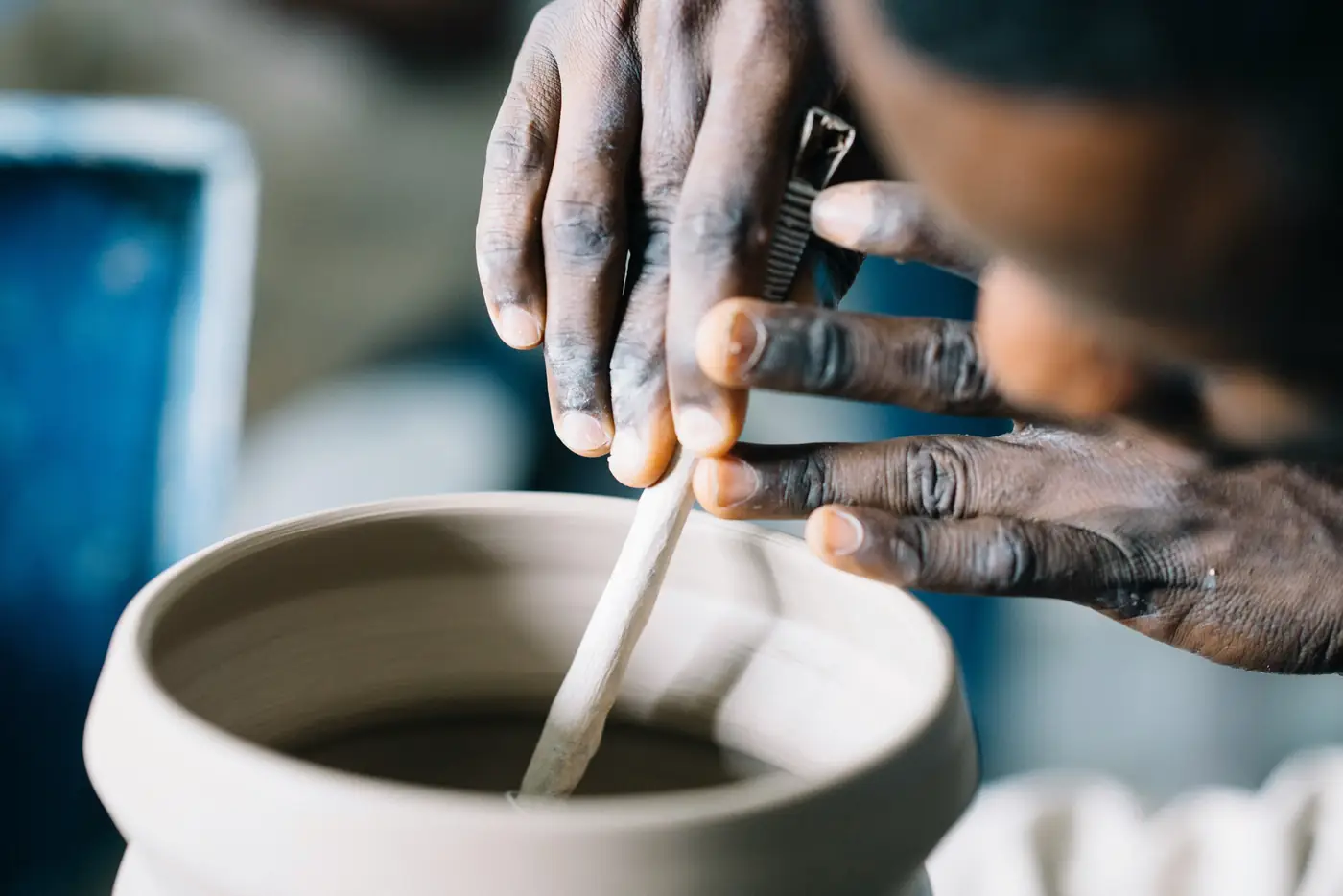
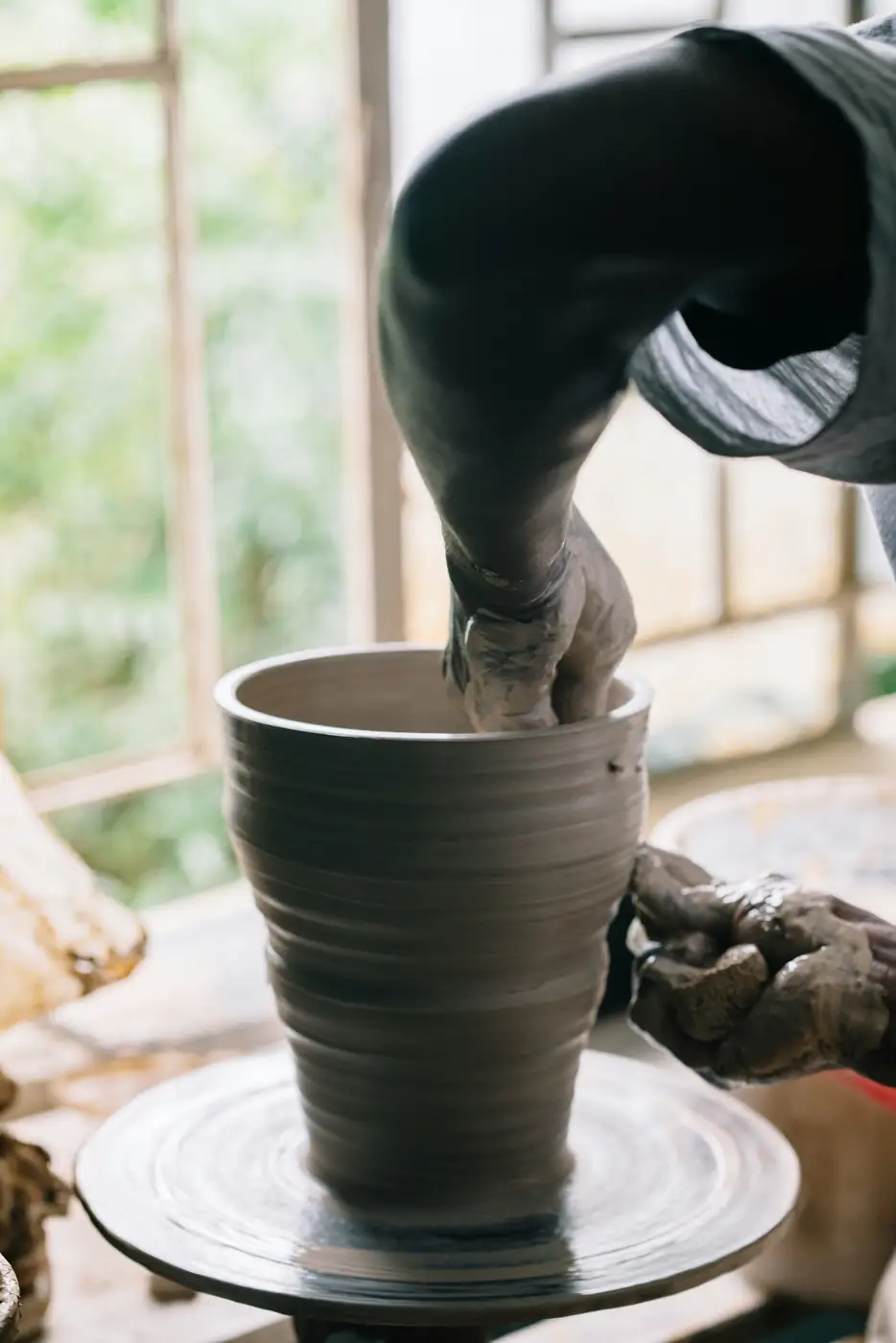
Daieplay will be a village that teaches. Every part of it will be a classroom.

Whoever designs the system owns it.
This time, we’re designing it. Daieplay will be run by homegrown experts who own it, grow it and carry it on.
I feared I’d be the girl in the commercial.
Instead, I’m building my own home. I’m not asking you to rescue anyone. I’m asking you to invest in what we’re building.
A dollar a day.
Not to feed a child who’s waiting to be rescued. To build something she’ll own.
Join now. Help build Daieplay.
Bring your people and help fill the 7,000.
Start your own Dollar a Day page and set your goal: how many people you will bring to give $365. Everyone who gives through your page fills a dot on your page, and one of the 7,000.
- 1Set your goal in people
- 2Share your page with the people who trust you
- 3Watch your dots, and the 7,000, fill
Bring your people
Join now. Help build Daieplay.
Bring your people and help fill the 7,000. Tell us who you are and how many people you will bring, and your page goes live right away.